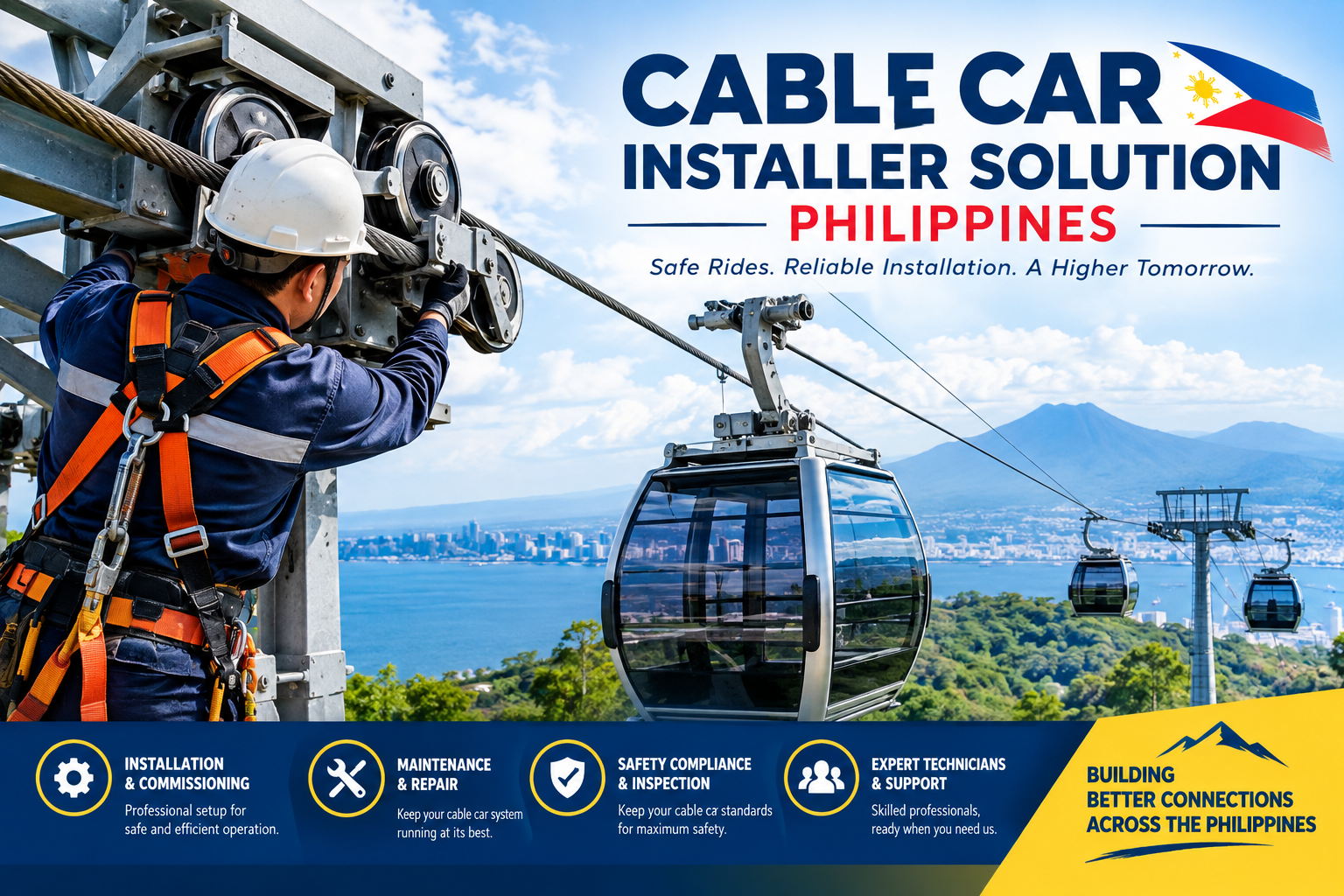
Cable car systems offer a specialized way to transport passengers across elevated, mountainous, and difficult-to-reach areas. As tourism destinations, resorts, recreational facilities, and infrastructure projects continue to explore innovative transportation options, cable-based systems can provide practical connections between different locations. However, a cable car project requires careful planning because it combines structural, mechanical, electrical, transportation, and safety requirements. A cable car installer solution Philippines provider can support project owners by coordinating the installation of these interconnected systems. From the initial site evaluation to equipment installation and commissioning, every stage needs appropriate technical planning. The system must also be designed around its expected passenger capacity, route characteristics, environmental conditions, and operating requirements. A well-planned installation can provide the foundation for dependable operation and manageable long-term maintenance.
What Is a Cable Car Installer Solution?
A cable car installer solution refers to the specialized services involved in developing and installing a passenger cable transportation system. It may include site assessment, installation planning, equipment coordination, structural preparation, mechanical assembly, electrical integration, testing, and commissioning. The precise scope depends on the project’s size, cableway configuration, location, and intended use. A provider may work with equipment manufacturers, civil contractors, engineers, architects, and facility operators throughout the project. This collaborative approach is important because the various cable car components need to operate as a coordinated system. Ropes, towers, carriers, drive systems, braking equipment, controls, and stations all have specific technical requirements that influence the installation. International cableway standards cover areas such as calculations, civil works, mechanical equipment, electrical systems, ropes, carriers, inspection, maintenance, recovery, and evacuation. (standards.iteh.ai)
For Philippine projects, the installation solution should be adapted to the actual site instead of relying on a generic approach. Mountainous locations can create different challenges from urban or resort developments. The available construction area, road access, terrain, rainfall, wind exposure, and surrounding structures can all influence installation planning. A professional provider should first understand these factors before recommending equipment or an installation method. This helps establish realistic requirements for engineering, construction, transportation, and maintenance.
Why Cable Cars Can Be Valuable for Philippine Developments
The Philippines has numerous destinations with steep terrain, elevated viewpoints, mountains, valleys, and other geographic features. These locations can create transportation challenges when conventional roads require extensive construction or difficult access routes. A cable car system can provide a direct connection between selected points while traveling above the terrain. This can make the technology potentially relevant to tourism facilities, resorts, recreational developments, observation destinations, and other specialized transportation projects. Cable cars can also become an attraction themselves when routes provide passengers with views of surrounding landscapes. However, the system must first be evaluated according to transportation demand and site requirements. The intended application should determine important factors such as capacity, route length, station configuration, operating speed, and frequency.
A project owner should also consider how passengers will interact with the system. Stations need appropriate boarding and exit areas, circulation routes, waiting spaces, and access for maintenance personnel. Depending on the destination, passenger traffic may change significantly during weekends, holidays, or tourism seasons. The system therefore needs to be planned around realistic operating patterns. A cable car installer solution Philippines provider can help translate these operational requirements into installation and equipment considerations. Proper planning allows the cable car to function as part of the wider property rather than as an isolated transportation feature.
Assessing the Site Before Installation
Site assessment provides essential information for determining whether and how a cable car system can be installed. The process can involve reviewing the proposed route, elevation changes, tower positions, station locations, construction access, and surrounding infrastructure. Engineers may need detailed information about the terrain and ground conditions before developing structural requirements. Existing roads, buildings, electrical lines, vegetation, and other obstacles can also affect the proposed alignment. Environmental factors such as wind and precipitation should be considered because they can influence system calculations and equipment requirements. International passenger cableway standards recognize environmental actions, including wind and ice, as factors that may need to be considered in engineering calculations.
Access is another important part of the site evaluation. Large cableway components may need to be transported to areas that are difficult to reach with conventional vehicles. Towers and other structural components may require cranes, lifting equipment, temporary access roads, or specialized installation methods. Station construction may require additional staging space for assembly and equipment storage. Maintenance access should also be considered before finalizing the route. An effective site assessment identifies these challenges early and allows the installation strategy to account for them.
Engineering a Cable Car System for Its Intended Use
Cable car engineering must account for the physical characteristics of the route and the operational demands of the system. Route length, elevation difference, passenger capacity, carrier configuration, speed, and operating frequency can influence the engineering calculations. The ropes and support structures must be capable of handling the forces associated with passenger loads and system operation. Drive equipment must provide appropriate power for the intended system configuration. Towers and foundations must also be designed around the loads transferred through the cableway. Technical standards for passenger cableways address calculations involving ropes, support reactions, drive power, environmental effects, and other loads.
Engineering coordination is important because the system combines several disciplines. Civil engineers may address foundations and site works, while structural engineers focus on towers and supporting structures. Mechanical specialists handle components such as drives, ropes, sheaves, carriers, grips, and braking equipment. Electrical engineers may work on power supplies, controls, monitoring systems, and communications. These areas cannot be developed independently because changes to one component can affect other parts of the system. Early coordination can therefore help reduce conflicts during construction and installation.
Important Components of a Cable Car System
A cable car system is made up of numerous components that work together to transport passengers. The cable or rope is one of the central elements because it supports or moves the passenger carriers according to the system configuration. Towers provide support along the route, while stations accommodate passenger boarding, exiting, equipment, and operational functions. Drive systems provide the mechanical force needed to move the system. Tensioning equipment helps maintain appropriate rope conditions during operation. Carriers, cabins, grips, sheaves, braking equipment, and control systems each perform specialized functions within the overall installation.
Electrical and communication equipment are also essential to modern cableway operation. Control systems can allow operators to manage speed, movement, stops, and other operating functions. Monitoring equipment can provide information about system conditions and equipment status. Emergency systems need to be integrated into the overall operational design. The compatibility of all these components should be considered before installation begins. A specialized installer can help coordinate equipment installation according to approved engineering documentation and manufacturer requirements. This integrated approach is particularly important for projects that involve custom route configurations or challenging terrain.
Planning the Cable Car Installation Process
Once engineering and site requirements have been established, the installation process can move into detailed construction planning. Civil works may include foundations for towers, stations, and other supporting structures. Structural components must be assembled and positioned according to the approved design. Mechanical equipment then needs to be installed and aligned carefully. Rope installation requires specialized handling because the cable must be positioned and tensioned appropriately. Electrical systems, controls, communication equipment, and safety systems must then be connected and integrated.
The installation sequence should be carefully coordinated with other construction activities. Deliveries need to arrive when the site is prepared to receive and store the equipment. Heavy components may require planned lifting operations and specialized equipment. Installation teams should also perform quality checks throughout the process. Issues involving alignment, fastening, wiring, equipment positioning, or component compatibility should be identified as early as possible. Proper documentation should be maintained during installation to support later inspections and maintenance activities.
Safety Planning During Cable Car Installation
Safety should remain a priority throughout the entire cable car project. Installation work can involve lifting operations, electrical equipment, work at height, mechanical components, ropes, heavy structures, and moving machinery. Appropriate work procedures and qualified personnel are therefore important during construction and commissioning. The finished system also needs safety provisions that address normal passenger operation and abnormal conditions. Braking systems, emergency controls, communication systems, monitoring equipment, and appropriate structural clearances can all form part of the safety strategy. Cableway standards address hazards related to structural loads, dynamic effects, fatigue, ropes, mechanical equipment, and other technical conditions.
Emergency planning should be addressed before passenger operations begin. Depending on the system and location, operators may need procedures for passenger recovery and evacuation. Maintenance personnel should also have safe access to relevant equipment and inspection areas. Operators need appropriate training and documentation to understand normal and emergency procedures. Safety should therefore be incorporated into engineering, installation, testing, operation, and maintenance. A cable car installer solution Philippines provider can help coordinate these technical elements with the project’s overall installation plan.
Testing and Commissioning the Completed System
A cable car should undergo appropriate inspection and testing before regular passenger operation. Testing allows the project team to verify that mechanical, electrical, structural, and control components function according to the project’s requirements. Braking systems, emergency functions, communication systems, monitoring equipment, and controls should be checked as part of the commissioning process. System movement and alignment can also be evaluated under appropriate operating conditions. Depending on the applicable requirements, testing may involve different loading or operating scenarios. Any identified issues should be corrected before the system is placed into normal service.
Commissioning also provides an opportunity to establish a clear operational record for the new system. Test results, inspection reports, equipment information, and relevant technical documents should be retained. These records can support future maintenance and troubleshooting. Operators should receive appropriate operating instructions and maintenance information. The commissioning process should be systematic rather than treated as a simple final demonstration. Cableway standards include requirements relating to pre-commissioning inspection and verification by tests, emphasizing the importance of checking the completed system before operation.
Maintenance Requirements for Long-Term Operation
Installation is only one stage in the lifecycle of a cable car system. Once the system begins operating, its mechanical, electrical, structural, and safety components require regular attention. Ropes, carriers, drive systems, braking equipment, towers, electrical systems, and other components should be inspected according to applicable requirements and manufacturer recommendations. Operators should monitor equipment for wear, corrosion, unusual vibration, alignment changes, and other signs that may require investigation. Preventive maintenance can help address developing issues before they become more disruptive. Inspection and maintenance records should also be retained as part of the system’s operational documentation.
Maintenance planning should begin while the project is still being designed. Equipment should be accessible for inspection and servicing where practical. Replacement parts and specialized tools may need to be considered as part of long-term operations. Maintenance personnel should receive appropriate technical information and training. The owner should also understand who will provide technical support after commissioning. When evaluating a cable car installer solution Philippines provider, post-installation support can therefore be an important part of the overall service scope.
Selecting the Right Cable Car Installation Provider
Choosing an installer should involve more than comparing equipment prices. Project owners should assess the provider’s technical capabilities, installation experience, engineering coordination, testing procedures, and support services. It is useful to determine whether the provider has experience with projects involving similar terrain, route configurations, passenger capacities, or operating environments. The provider should also explain how it coordinates with equipment manufacturers and other contractors. A clearly defined scope of work can help establish responsibilities for civil works, equipment supply, installation, testing, commissioning, and maintenance. Documentation and communication should also form part of the project delivery process.
Project owners should ask detailed questions before selecting an installation partner. These can include questions about site assessment, engineering support, installation methodology, safety procedures, commissioning, maintenance, and technical documentation. The provider should be able to explain what information is required to evaluate the proposed site. It should also identify which activities will be handled directly and which may require other specialists. A transparent approach can help project owners understand what they are purchasing and what additional services may be required. This can make project planning more organized and easier to manage.
Practical Questions to Ask Before Starting a Cable Car Project
A cable car project involves many decisions, so creating a technical checklist can help organize the planning process. Start by identifying the purpose of the system and the number of passengers it is expected to transport. Determine the approximate route length, elevation difference, station locations, operating hours, and anticipated traffic. Ask the installer what site surveys and engineering information are needed. Discuss applicable standards, manufacturer specifications, testing procedures, and commissioning requirements. Ask how emergency access, passenger recovery, and maintenance access will be incorporated into the project.
It is equally important to discuss long-term support. Ask whether the installer provides inspection and maintenance services after commissioning. Find out what operating manuals, maintenance documentation, test reports, and equipment records will be provided. Discuss the availability of spare parts and technical assistance. Ask how equipment problems will be diagnosed and addressed after the system enters operation. These questions can help project owners build a clearer picture of the complete lifecycle requirements before committing to an installation.
FAQ: Cable Car Installer Solution Philippines
What is a cable car installer solution Philippines service?
A cable car installer solution Philippines service can involve the planning, assembly, installation, testing, and commissioning of a cable-based passenger transportation system. Depending on the provider, the service may also include site assessment, engineering coordination, maintenance, and technical support. The exact scope should be confirmed before a project begins. Cable car projects commonly require cooperation among several technical disciplines. Project owners should ask for a detailed service scope that identifies responsibilities for equipment, installation, testing, and support. This can help avoid gaps between different contractors.
Where can cable car systems be used?
Cable cars may be considered for mountainous destinations, resorts, tourism developments, recreational facilities, observation areas, and other locations with significant elevation differences. The suitability of a location depends on engineering, environmental, transportation, and operational factors. The route should be evaluated before the system type is selected. Passenger demand should also be considered when determining capacity and operating requirements. Site access and maintenance requirements are equally important. A professional assessment can help determine whether a cable transportation concept fits the intended application.
How is a cable car route planned?
Route planning considers the starting and ending stations, elevation difference, terrain, support tower positions, clearances, passenger capacity, and operating requirements. Engineers may also need to consider environmental forces and structural loads. Existing roads, buildings, utilities, and other obstacles can affect the alignment. The proposed route should provide appropriate access to stations and maintenance areas. The final configuration should be supported by appropriate engineering calculations. Site surveys are therefore an important part of route development.
What components are needed for a cable car?
Components can include ropes, towers, stations, carriers or cabins, grips, drive systems, tensioning systems, sheaves, braking equipment, electrical controls, communication equipment, and monitoring systems. The exact configuration depends on the cableway type and intended application. Components must be compatible with one another and with the approved system design. Manufacturer requirements should also be considered during installation. Each component has a role in the system’s overall performance. Specialized installation support can help coordinate the assembly and integration process.
Why is professional installation important?
Cable car systems combine structural, mechanical, electrical, and operational requirements that must work together. Installation errors can affect alignment, equipment operation, maintenance requirements, and system performance. Professional installers can coordinate installation activities according to engineering documentation and manufacturer requirements. They can also support inspection and commissioning activities. Proper installation documentation can help operators maintain the system later. The specific qualifications and responsibilities of the installation team should be verified for each project.
What happens after cable car installation?
After physical installation, the system typically undergoes inspection, testing, and commissioning before regular passenger operation. Operators may need training and technical documentation as part of the transition to operation. Regular inspections and preventive maintenance are then required during the system’s operational life. Maintenance requirements depend on the equipment, manufacturer recommendations, operating conditions, and applicable technical requirements. Records should be maintained for inspections, repairs, testing, and component replacement. Continued technical support can help operators address maintenance and troubleshooting needs.
How should a project owner choose a cable car installer?
Start by reviewing the provider’s technical capabilities, relevant experience, engineering support, installation procedures, testing processes, and maintenance services. Ask for a clearly defined scope of work. Discuss site assessment, equipment compatibility, project scheduling, safety procedures, commissioning, and documentation. It is also useful to ask how the provider will coordinate with engineers, manufacturers, and other contractors. Long-term support should be discussed before the installation contract is finalized. These considerations can help project owners select an installation approach that aligns with their technical and operational requirements.
Takeaway
A cable car installer solution Philippines project requires coordinated planning from the earliest site assessment through installation, testing, commissioning, and ongoing maintenance. The right solution depends on the terrain, route, passenger requirements, operating conditions, station configuration, and intended purpose of the system. Engineering must account for the interaction between ropes, towers, carriers, drive equipment, foundations, electrical systems, and safety components. Professional installation can help ensure that these elements are assembled and integrated according to approved technical requirements. Testing and commissioning provide essential opportunities to verify the completed system before passenger service begins. Long-term inspection and maintenance should also be planned early so operators understand how the equipment will be supported throughout its operational life. For developers, tourism operators, infrastructure planners, and facility managers, a carefully planned cable car installation can provide a structured approach to creating a specialized transportation system suited to the demands of a Philippine site.