Reliable cable transportation requires careful planning, quality equipment, regular inspections, and professional maintenance. For operators managing cable cars, ropeways, and other suspended transportation systems, proper maintenance helps support passenger safety, equipment reliability, and efficient operation.
Cable car maintenance Philippines services are becoming increasingly important as resorts, tourism destinations, industrial facilities, and other properties explore cable-based transportation systems. These systems can provide practical movement across steep terrain, elevated areas, and locations where conventional transportation may be difficult.
828 Cable System Inc. provides specialized engineering and service solutions for rope, height, and load applications. As part of the Benedicto Steel Group, the company serves wire-rope-related projects across the Philippines and throughout Asia. Its capabilities cover fall protection, height access solutions, cable engineering, ropeway engineering, zipline engineering, and load engineering.
For organizations requiring dependable cable car maintenance Philippines, working with a specialized engineering company can support proper system assessment, preventive maintenance, repair planning, and technical service.
What Is Cable Car Maintenance Philippines?
Cable car maintenance Philippines refers to the inspection, servicing, repair, testing, and upkeep of cable car and ropeway systems operating within the country.
A cable car system contains multiple mechanical and structural components that must function together. These can include:
- Wire ropes
- Drive systems
- Sheaves
- Towers
- Cabins or carriers
- Braking systems
- Tensioning equipment
- Grips and connection components
- Electrical and control systems
- Safety devices
- Structural supports
Regular maintenance helps identify wear, mechanical concerns, corrosion, alignment problems, and other conditions that could affect system performance.
Professional cable car maintenance Philippines services can also support maintenance planning based on equipment condition, operating frequency, environmental exposure, system design, and manufacturer recommendations.
Why Regular Cable Car Maintenance Matters
Cable cars carry people or loads above ground, across slopes, and through challenging environments. A maintenance program should therefore focus on safety, reliability, and long-term equipment performance.
Routine cable car maintenance Philippines can help operators detect developing problems before they become major repair concerns.
A structured maintenance program may provide several benefits.
Improved System Safety
Safety should remain a primary consideration for cable transportation systems. Inspections can help identify damaged ropes, worn components, loose connections, corrosion, abnormal movement, and other issues.
Better Equipment Reliability
Unexpected equipment failure can interrupt operations and create costly downtime. Regular servicing helps operators monitor equipment condition and schedule corrective work before serious breakdowns occur.
Longer Equipment Service Life
Proper care can reduce unnecessary stress and wear on mechanical and structural components. Maintenance teams can identify parts that require adjustment, lubrication, replacement, or further technical assessment.
Reduced Operational Disruptions
Planned maintenance allows operators to schedule service during suitable periods rather than waiting for an unexpected failure.
Better Maintenance Planning
Professional inspection records can help facility managers understand equipment condition and determine which components require immediate attention and which can be monitored during future service cycles.
Cable Car Components That Require Regular Inspection
A cable car system contains numerous components that require technical attention. Each component plays a role in safe and dependable operation.
Wire Ropes
Wire ropes are among the most important elements of a cable transportation system. Their condition should be evaluated for visible damage, corrosion, broken wires, deformation, wear, and other signs of deterioration.
Specialized cable car maintenance Philippines services can include wire-rope inspection and condition assessment based on the system design and applicable technical requirements.
Sheaves and Pulleys
Sheaves guide and support the cable along its operating route. Wear, misalignment, surface damage, or improper movement can affect cable performance.
Regular inspection can help identify problems that may require adjustment, repair, or replacement.
Drive Systems
The drive system provides the mechanical force required to move the cable car. Motors, gearboxes, shafts, couplings, brakes, and related components should receive appropriate inspection and servicing.
Braking Systems
Braking equipment is essential for controlled stopping and safe operation. Maintenance personnel should inspect brake components, controls, connections, and associated mechanisms according to system requirements.
Towers and Structural Supports
Cable car towers carry significant structural loads. Visual inspections and engineering assessments can help identify corrosion, deformation, damaged connections, and other structural concerns.
Cabins and Passenger Carriers
Passenger cabins require inspection of structural components, doors, windows, fixtures, attachment points, and other relevant elements.
Tensioning Systems
Cable tension must remain appropriate for the system design. Tensioning equipment should be inspected and maintained to help support stable cable operation.
Professional Cable Car Maintenance Philippines Services
A comprehensive cable car maintenance Philippines program can include several technical services depending on the type, age, configuration, and operating conditions of the system.
Inspection and Condition Assessment
Inspection provides a basis for understanding the current condition of equipment. Technicians can examine accessible components and identify signs of wear, corrosion, deformation, damage, or abnormal operation.
Wire Rope Inspection
Wire ropes require specialized attention because their condition can affect system performance and safety. Inspection procedures should account for rope construction, operating conditions, load cycles, and visible or measurable deterioration.
Mechanical Maintenance
Mechanical components may require cleaning, lubrication, adjustment, alignment checks, component replacement, and functional testing.
Structural Inspection
Towers, platforms, support structures, connections, and other structural components may require periodic assessment.
Preventive Maintenance
Preventive maintenance focuses on scheduled service before equipment develops serious operational problems. This approach can help operators organize maintenance budgets, downtime, manpower, and replacement requirements.
Corrective Maintenance
Corrective maintenance addresses identified defects or equipment conditions requiring repair or replacement.
Engineering Support
Some cable car concerns require more than routine maintenance. Engineering assessment may be necessary when operators encounter unusual loading, structural concerns, rope alignment problems, system modifications, or equipment upgrades.
Cable Engineering for Ropeway Systems
Cable engineering plays a major role within ropeway systems. Cable selection, routing, tension, loading, support configuration, and operating conditions all affect system performance.
828 Cable System Inc. provides cable engineering capabilities for projects requiring specialized wire-rope and cable solutions.
Professional cable car maintenance Philippines services can benefit from engineering expertise because maintenance findings may reveal conditions related to cable configuration, loading, alignment, or system design.
Engineering support may help operators evaluate:
- Cable specifications
- Rope selection
- Cable routing
- Load requirements
- Support structures
- Tensioning arrangements
- Ropeway components
- System modifications
- Replacement requirements
Ropeway Engineering Solutions
Ropeway engineering covers the planning, design, installation, assessment, and servicing of cable-based transportation systems.
Cable cars and ropeways can serve resorts, tourism destinations, industrial facilities, and specialized transportation applications.
A successful ropeway project requires careful consideration of terrain, passenger or load capacity, cable routing, support structures, mechanical systems, safety equipment, and operational requirements.
For existing systems, cable car maintenance Philippines can help maintain dependable operation through scheduled inspection and technical servicing.
Zipline Engineering and Cable Systems
Cable engineering is not limited to passenger cable cars. Similar technical principles can apply to zipline systems, ropeways, suspended transportation, and other cable-based applications.
828 Cable System Inc. also provides zipline engineering solutions. These projects may require careful consideration of cable selection, structural supports, braking systems, loading, anchorage, and user safety.
Experience with multiple cable applications can provide useful technical knowledge for maintenance and engineering projects involving wire ropes and suspended systems.
Load Engineering for Cable-Based Systems
Cable systems often operate alongside equipment designed to carry, lift, or move significant loads.
828 Cable System Inc. offers load engineering solutions covering equipment such as:
- Overhead cranes
- Gantry cranes
- Jib cranes
- Automatic hooks
- Wire-rope systems
- Rigging equipment
This technical capability complements cable car maintenance Philippines services because rope, cable, and load engineering share several important considerations.
Load capacity, equipment condition, cable selection, structural support, mechanical movement, and safety systems all require careful technical evaluation.
Overhead Crane Solutions
Overhead cranes are widely used for lifting and transporting materials across industrial facilities.
A maintenance program should consider wire ropes, hooks, sheaves, brakes, structural components, controls, and other equipment.
Engineering expertise can support inspection, repair planning, component assessment, and load-related requirements.
Gantry Crane Solutions
Gantry cranes use a supporting framework to move loads across designated work areas. They can be used within construction sites, industrial facilities, warehouses, ports, and other environments.
Proper inspection and maintenance can help operators identify mechanical or structural concerns before they affect daily operations.
Jib Crane Solutions
Jib cranes provide localized lifting capability for workshops, production facilities, construction areas, and industrial workspaces.
Their structural supports, lifting mechanisms, hooks, cables, and other components require appropriate inspection and servicing based on operational demands.
Automatic Hook Systems
Automatic hooks can improve handling efficiency for certain lifting applications. Proper maintenance remains important because hook mechanisms and related lifting components must operate correctly during load handling.
Technical assessment can help determine whether components require adjustment, repair, or replacement.
Choosing a Cable Car Maintenance Philippines Provider
Selecting a qualified service provider should involve more than comparing prices. Cable car operators should consider technical expertise, engineering capabilities, safety practices, project experience, equipment knowledge, and service coverage.
When searching for cable car maintenance Philippines, consider the following factors.
Technical Experience
Look for a company with experience working with wire ropes, cable systems, ropeways, height access equipment, and load systems.
Engineering Capability
A company that can provide engineering support may be better positioned to assess complex system concerns.
Inspection and Maintenance Process
Ask about inspection procedures, reporting, maintenance schedules, equipment assessment, and corrective recommendations.
Safety-Focused Service
Safety should remain a central part of cable car inspection, maintenance, repair, and engineering work.
Industry Coverage
A provider serving multiple industries may have experience with different environmental and operational conditions.
Availability of Technical Support
Reliable technical assistance can be valuable when operators encounter equipment problems, require inspections, or plan system improvements.
Cable Car Maintenance for Philippine Resorts and Tourism Sites
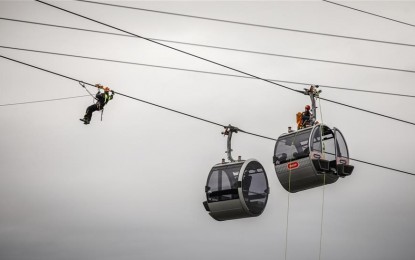
Cable cars and ropeways can support tourism by providing transportation across elevated or difficult terrain. Resorts and tourism destinations may use cable-based systems to connect different areas, provide scenic transportation, or improve access to attractions.
High passenger demand can place significant operating requirements on these systems.
A scheduled cable car maintenance Philippines program can help tourism operators manage inspection requirements, service intervals, component replacement, and operational reliability.
Maintenance planning should account for seasonal demand, environmental exposure, passenger volume, system age, and equipment condition.
Environmental Conditions and Cable Car Maintenance
Philippine cable systems may operate under challenging environmental conditions. Heat, humidity, heavy rainfall, coastal exposure, dust, and other factors can contribute to corrosion and component deterioration.
Regular inspection can help identify environmental effects before they become major equipment concerns.
For coastal installations, corrosion monitoring may require particular attention. Elevated humidity and salt exposure can affect metal components, structural connections, fasteners, and other equipment.
A suitable cable car maintenance Philippines plan should consider the actual environment surrounding the system.
Preventive Maintenance Planning
A preventive maintenance program should be organized according to equipment requirements and operating conditions.
A typical program may include:
- Routine visual inspections
- Wire rope condition checks
- Mechanical component inspections
- Brake system checks
- Structural inspections
- Lubrication and adjustment
- Electrical and control system checks
- Functional testing
- Documentation and reporting
- Corrective repair planning
The exact inspection frequency should depend on the equipment manufacturer, applicable technical requirements, operating conditions, system design, and usage.
Why Choose 828 Cable System Inc.?
828 Cable System Inc. was established within the Benedicto Steel Group to serve the needs of the rigging industry and related sectors.
The company specializes in wire-rope-related projects and services covering fall protection, height access solutions, ropeway engineering, cable engineering, zipline engineering, and load engineering.
Its broad technical scope allows clients to access solutions covering rope, height, cable, and load applications through one specialized service provider.
For businesses searching for cable car maintenance Philippines, 828 Cable System Inc. offers engineering knowledge relevant to cable systems, ropeways, wire ropes, and related equipment.
The company also supports projects across the Philippines and throughout Asia, making its services suitable for organizations requiring specialized cable and engineering solutions.
Building a Reliable Cable System Maintenance Program
Reliable cable transportation depends on more than the condition of a single component. Each part must work as intended within the complete system.
Operators should establish clear maintenance schedules, inspection procedures, documentation practices, and repair protocols.
A qualified engineering partner can help assess current equipment condition, identify maintenance priorities, and recommend appropriate technical action.
With professional cable car maintenance Philippines, organizations can take a structured approach toward equipment care, operational reliability, and long-term system performance.
Takeaway
Cable cars and ropeways require careful engineering, regular inspection, preventive maintenance, and qualified technical support. Wire ropes, sheaves, drive systems, brakes, towers, cabins, tensioning equipment, and structural components all require appropriate attention.
Cable car maintenance Philippines services can help operators identify equipment concerns, organize preventive maintenance, plan repairs, and support reliable system operation.
828 Cable System Inc. provides specialized solutions for fall protection, height access, cable engineering, ropeway engineering, zipline engineering, and load engineering. Its experience with wire-rope-related projects makes it a suitable technical partner for organizations requiring specialized cable and engineering services across the Philippines and Asia.
Frequently Asked Questions About Cable Car Maintenance Philippines
What does cable car maintenance Philippines include?
Cable car maintenance Philippines may include wire rope inspection, mechanical servicing, brake inspection, structural assessment, tensioning system checks, component replacement, functional testing, and engineering support. The exact scope depends on the cable car design, operating conditions, equipment age, and manufacturer requirements.
How often should cable cars receive maintenance?
Maintenance frequency depends on system design, operating hours, passenger volume, environmental exposure, manufacturer recommendations, and applicable technical requirements. Operators should establish inspection and servicing schedules based on these factors.
Why is wire rope inspection important for cable cars?
Wire ropes carry significant operational loads and remain critical components of many cable transportation systems. Inspection can help identify corrosion, wear, broken wires, deformation, and other conditions that may require further assessment.
Can 828 Cable System Inc. support ropeway engineering?
Yes. 828 Cable System Inc. provides ropeway engineering and cable engineering solutions alongside fall protection, height access, zipline engineering, and load engineering services.
Does cable car maintenance include structural inspection?
It can. Depending on the project scope, structural assessment may cover towers, support structures, connections, platforms, and other components associated with the cable transportation system.
What industries can benefit from cable car maintenance Philippines services?
Potential users include resorts, tourism destinations, industrial facilities, specialized transportation operators, and organizations managing ropeways or cable-based transportation systems.
Why choose a specialized cable engineering company?
Specialized engineering companies have technical knowledge related to wire ropes, cable systems, ropeways, loading, height access, and related equipment. This expertise can support more comprehensive inspection, maintenance, repair, and engineering requirements.
Can cable engineering support zipline projects?
Yes. Zipline systems rely on cable, structural, loading, braking, and anchorage considerations. Professional zipline engineering can support project planning, system assessment, and technical requirements.
Does 828 Cable System Inc. provide load engineering?
Yes. Its load engineering services include solutions related to overhead cranes, gantry cranes, jib cranes, automatic hooks, and other wire-rope and load-handling applications.
How can businesses request cable car maintenance Philippines services?
Businesses can contact 828 Cable System Inc. to discuss their cable car, ropeway, wire rope, or cable engineering requirements. Project details such as system type, location, operating conditions, equipment specifications, and maintenance concerns can help determine the appropriate technical service.