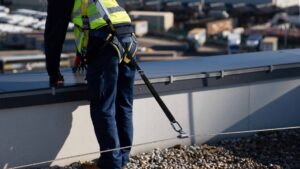
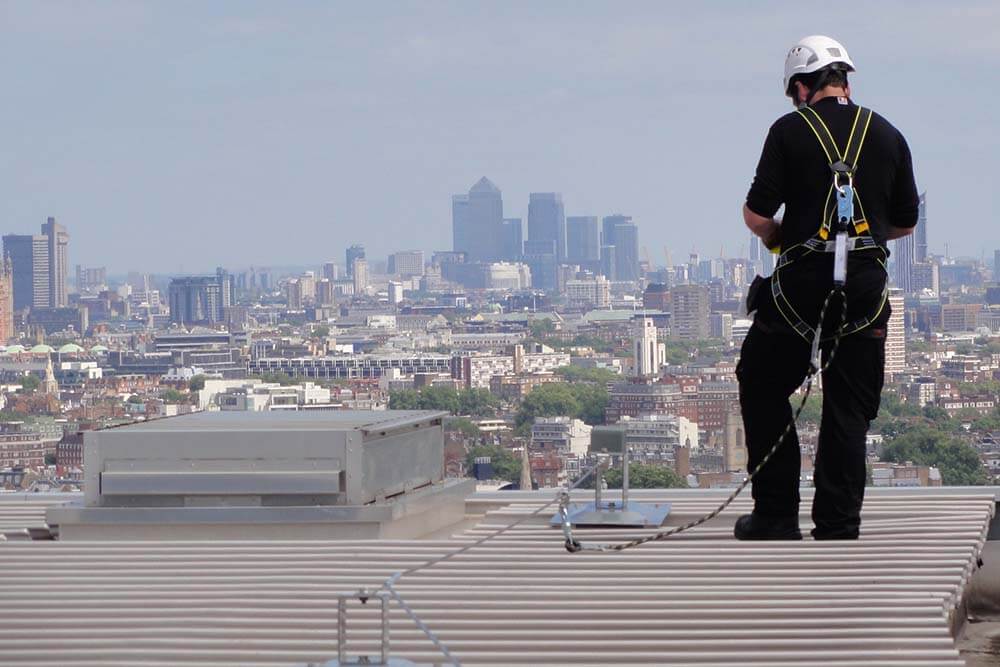
Working at elevated locations comes with significant risks, making reliable fall protection one of the most important investments for any organization. A Horizontal Lifeline is a vital component of modern fall protection systems because it allows workers to move freely while remaining securely connected. Whether employees are working on rooftops, bridges, industrial plants, or construction sites, this system helps reduce fall hazards without limiting mobility. Businesses that prioritize workplace safety often choose a Horizontal Lifeline to improve both worker protection and operational efficiency. Understanding how these systems function, where they are used, and how they should be maintained can help organizations create safer work environments. This guide explores everything you need to know about Horizontal Lifeline systems, from their components to their benefits and best practices. By learning more about this essential safety solution, companies can make informed decisions that protect both their workforce and their operations.
What Is a Horizontal Lifeline?
A Horizontal Lifeline is a flexible or rigid anchorage system designed to protect workers who perform tasks at elevated locations. It provides a secure connection point that enables users to move horizontally across a work area while remaining attached to a fall protection system. Unlike a fixed anchor point that limits movement, a Horizontal Lifeline supports continuous travel without requiring workers to disconnect and reconnect frequently. This greatly reduces exposure to fall hazards during transitions.
The system typically consists of anchor points, cables or rails, connectors, energy absorbers, and compatible personal protective equipment. Every component works together to absorb and distribute the forces generated during a fall. Proper engineering ensures the system can withstand significant loads while maintaining worker safety. A professionally designed Horizontal Lifeline also minimizes swing fall risks by providing continuous protection across a designated path. As industries continue to prioritize workplace safety, Horizontal Lifeline systems remain an essential solution for preventing serious injuries.
How a Horizontal Lifeline System Works
A Horizontal Lifeline functions by connecting workers to a secure line that stretches between two or more anchor points. The worker wears a full-body harness connected to the lifeline using a lanyard or self-retracting device. As the employee moves along the work area, the connector travels with them, maintaining constant attachment. This continuous connection allows workers to perform their duties efficiently without repeatedly disconnecting from the system.
If a fall occurs, energy absorbers within the Horizontal Lifeline reduce the impact forces transmitted to both the worker and the structure. Proper cable tension and anchor placement play a critical role in controlling fall arrest forces. Intermediate supports may also be installed on longer spans to maintain system stability while allowing connectors to pass smoothly. Every element must be compatible with the others to ensure maximum performance. When installed and used correctly, a Horizontal Lifeline significantly improves worker mobility while maintaining reliable fall protection throughout the workday.
Key Benefits of Installing a Horizontal Lifeline
One of the greatest advantages of a Horizontal Lifeline is its ability to provide continuous fall protection across large work areas. Workers can move freely without repeatedly disconnecting and reconnecting their equipment, reducing both downtime and safety risks. Increased mobility helps employees complete tasks more efficiently while maintaining compliance with workplace safety requirements. This combination of flexibility and protection makes Horizontal Lifeline systems highly valuable in demanding environments.
Another major benefit is improved productivity. Workers who feel secure are often more confident when performing tasks at height, allowing projects to progress smoothly. A Horizontal Lifeline also reduces the likelihood of costly workplace accidents that may lead to project delays, medical expenses, or equipment damage. Investing in reliable fall protection demonstrates an organization’s commitment to employee well-being. Over time, this commitment strengthens workplace morale and supports a culture centered on safety and responsibility.
Common Applications of Horizontal Lifeline Systems
Horizontal Lifeline systems are widely used across many industries where employees regularly work above ground level. Construction companies rely on these systems for roofing projects, steel erection, bridge construction, and structural maintenance. Industrial facilities install Horizontal Lifeline systems to protect maintenance personnel working on elevated platforms, machinery, and walkways. Warehouses also benefit from these systems when workers access overhead equipment or storage areas.
Utility companies use Horizontal Lifeline systems while maintaining power generation facilities and substations. Marine industries install them on docks and shipyards where elevated work presents unique challenges. Aircraft maintenance crews depend on Horizontal Lifeline systems when servicing large aircraft surfaces safely. Wind energy facilities, telecommunications towers, and transportation infrastructure also incorporate these systems into their fall protection strategies. The wide range of applications demonstrates the adaptability and effectiveness of Horizontal Lifeline solutions across diverse work environments.
Different Types of Horizontal Lifeline Systems
Horizontal Lifeline systems are available in several configurations to meet different operational requirements. Permanent systems are installed on structures that require ongoing maintenance, providing long-term protection for workers throughout the facility’s lifespan. Temporary systems are commonly used on construction projects where fall protection is needed only during specific phases of work. These portable systems offer flexibility while maintaining reliable safety performance.
Cable-based Horizontal Lifeline systems are among the most common because they provide long spans and dependable durability. Rail-based systems offer smoother movement and are particularly beneficial when users must frequently traverse complex work areas. Selecting the appropriate system depends on factors such as work environment, structural design, user capacity, and expected frequency of use. Professional evaluation helps ensure the chosen Horizontal Lifeline delivers the necessary level of protection. Every type offers unique advantages when matched with the appropriate application.
Essential Components of a Horizontal Lifeline
Every Horizontal Lifeline consists of multiple components that work together to create a dependable fall protection system. Strong anchor points provide the structural foundation needed to support fall arrest forces. Lifeline cables or rigid rails create the path along which workers travel. Energy absorbers help reduce impact loads during a fall, protecting both users and structural elements. Turnbuckles and tension indicators maintain the proper cable tension required for safe operation.
Intermediate anchors support longer spans without significantly limiting worker movement. Trolleys or connectors allow smooth travel along the lifeline while remaining securely attached. Compatible full-body harnesses distribute fall arrest forces across the body to reduce injury risk. Lanyards or self-retracting lifelines complete the connection between the worker and the Horizontal Lifeline. Every component should be inspected regularly to ensure reliable performance and long-term safety.
Factors to Consider Before Choosing a Horizontal Lifeline
Choosing the right Horizontal Lifeline requires careful evaluation of the work environment and operational requirements. The number of workers using the system simultaneously affects load calculations and equipment selection. Span length determines anchor placement, cable tension, and overall system design. Environmental conditions such as moisture, chemicals, temperature changes, and corrosion exposure also influence material selection.
Organizations should consider future maintenance requirements and the ease of conducting inspections. Compatibility with existing fall protection equipment is another important consideration because incompatible components may reduce system effectiveness. Compliance with applicable safety regulations should always remain a priority during the selection process. Consulting experienced fall protection professionals helps ensure the Horizontal Lifeline is properly engineered for the intended application. Investing time in planning ultimately leads to safer operations and greater long-term value.
Installation Best Practices for Horizontal Lifeline Systems
Proper installation is essential for maximizing the effectiveness of a Horizontal Lifeline. Every project should begin with a detailed hazard assessment to identify potential fall risks and determine appropriate anchor locations. Structural evaluations verify that supporting surfaces can withstand the forces generated during a fall. Manufacturer installation guidelines should always be followed carefully to maintain system certification and performance.
Correct cable tension is critical because excessive or insufficient tension may affect fall clearance and system behavior. Adequate clearance beneath the work area must also be verified to prevent contact with lower levels during fall arrest. All connected personal protective equipment should be compatible with the Horizontal Lifeline system. After installation, functional testing helps verify that every component performs as intended. Proper documentation ensures future inspections and maintenance activities can be completed efficiently.
Inspection and Maintenance Guidelines
Routine inspection and maintenance are essential for preserving the safety and reliability of a Horizontal Lifeline. Workers should perform visual inspections before every use to identify signs of wear, corrosion, damaged cables, or loose components. Scheduled inspections by qualified professionals provide a more detailed evaluation of system integrity. Early detection of damage helps prevent equipment failure and costly downtime.
Maintenance records should document inspections, repairs, replacements, and testing activities. Any damaged component should be removed from service immediately until it can be repaired or replaced according to manufacturer recommendations. Anchor points should receive particular attention because they support the highest loads during fall arrest. Maintaining proper cable tension also contributes to consistent system performance. A well-maintained Horizontal Lifeline delivers dependable protection for years while supporting ongoing workplace safety initiatives.
Common Mistakes to Avoid When Using a Horizontal Lifeline
Several common mistakes can reduce the effectiveness of a Horizontal Lifeline and increase workplace risk. One frequent error involves using incompatible harnesses, lanyards, or connectors that have not been approved for the system. Another issue occurs when workers exceed the maximum user capacity established during system design. Ignoring inspection requirements may allow damaged components to remain in service without detection.
Improper installation practices can also compromise the overall safety of the system. Employees should receive thorough training before using any Horizontal Lifeline to ensure they understand proper attachment procedures and equipment limitations. Workers should never modify system components without manufacturer approval. Regular refresher training reinforces safe work habits and improves compliance with established safety procedures. Avoiding these common mistakes significantly enhances worker protection and system reliability.
How Horizontal Lifeline Systems Improve Workplace Safety Culture
A Horizontal Lifeline does more than provide fall protection because it also strengthens an organization’s overall safety culture. Employees are more likely to follow safe work practices when reliable protective systems are readily available. Confidence in workplace safety encourages greater focus, improved productivity, and higher job satisfaction. Companies that invest in quality fall protection demonstrate genuine concern for employee well-being.
Strong safety programs also support regulatory compliance and reduce the financial impact of workplace incidents. Fewer accidents often translate into lower insurance costs, reduced project interruptions, and improved operational performance. Ongoing safety training combined with dependable Horizontal Lifeline systems reinforces accountability throughout the workforce. Managers and employees work together toward the shared goal of preventing injuries. This commitment to continuous improvement helps organizations maintain safer and more efficient workplaces for years to come.
Frequently Asked Questions (FAQ)
What is a Horizontal Lifeline used for?
A Horizontal Lifeline protects workers performing tasks at height by allowing continuous movement while remaining securely connected to a fall protection system.
Who should use a Horizontal Lifeline?
Construction workers, maintenance personnel, industrial employees, roofing contractors, utility workers, and anyone regularly exposed to fall hazards can benefit from a Horizontal Lifeline.
What is the difference between a Horizontal Lifeline and a vertical lifeline?
A Horizontal Lifeline allows movement across a horizontal work area, while a vertical lifeline is designed for climbing or descending structures.
Can multiple workers use one Horizontal Lifeline?
Many systems are designed to support multiple users, but the allowable number depends on the manufacturer’s specifications and engineering calculations.
How often should a Horizontal Lifeline be inspected?
Workers should inspect the system before each use, while qualified professionals should perform periodic inspections according to regulatory requirements and manufacturer recommendations.
How long does a Horizontal Lifeline last?
Its lifespan depends on environmental conditions, usage frequency, maintenance practices, and manufacturer guidelines. Regular inspections help determine when replacement is necessary.
Is training required before using a Horizontal Lifeline?
Yes. Proper training ensures workers understand safe operating procedures, equipment limitations, emergency response, and inspection requirements.
Can a Horizontal Lifeline be customized for different facilities?
Yes. Many systems are engineered to meet the unique structural requirements and operational needs of specific buildings, industrial plants, and construction projects.
Takeaway
A Horizontal Lifeline is one of the most effective solutions for protecting workers who perform tasks at elevated locations. By providing continuous fall protection, supporting greater mobility, and helping organizations meet workplace safety requirements, these systems play a critical role in modern fall prevention strategies. Selecting the right Horizontal Lifeline, ensuring professional installation, conducting regular inspections, and providing proper worker training all contribute to long-term safety and operational success. Organizations that prioritize dependable fall protection not only reduce workplace risks but also create a stronger culture of safety, confidence, and productivity for every employee working at height.