Working at elevated locations comes with significant risks, making reliable fall protection one of the highest priorities in any workplace. A Fall Arrest System is designed to stop a worker safely after a fall begins, reducing the chances of severe injuries or fatalities. Whether employees are working on rooftops, scaffolding, towers, bridges, or elevated platforms, having the right Fall Arrest System can make a critical difference. Organizations across construction, manufacturing, telecommunications, utilities, and facility maintenance rely on these systems to create safer working environments. Investing in quality equipment is not only about meeting safety standards but also about protecting people, maintaining productivity, and minimizing costly workplace incidents. Understanding how a Fall Arrest System works helps employers make informed decisions that support both operational efficiency and worker well-being.
What Is a Fall Arrest System?
A Fall Arrest System is a personal protective system specifically designed to stop a worker after a fall has occurred while minimizing the forces placed on the body. Unlike systems that simply prevent workers from reaching dangerous edges, a Fall Arrest System activates when a fall happens and safely arrests the descent before the worker reaches a lower level. The system distributes impact forces across stronger parts of the body, significantly reducing the likelihood of life-threatening injuries. Modern Fall Arrest System solutions combine durable materials, engineered connectors, and energy-absorbing components that work together during an emergency. These systems are commonly required whenever employees perform tasks at heights where guardrails or other passive protection methods are not practical. Properly selected equipment provides workers with confidence while completing challenging tasks in elevated work areas. As industries continue to place greater emphasis on workplace safety, the Fall Arrest System remains one of the most important investments for organizations that value employee protection.
How a Fall Arrest System Works
Every Fall Arrest System follows a carefully engineered process that begins the moment a worker loses balance or footing. The worker is connected to a secure anchorage through a connecting device such as a shock-absorbing lanyard or self-retracting lifeline. Once a fall begins, the connecting device engages immediately, slowing and stopping the descent within a controlled distance. Energy-absorbing components reduce the amount of force transferred to the worker’s body, helping prevent serious injuries. At the same time, the secure anchor supports the entire system, ensuring stability throughout the fall event. Proper system design also minimizes swing hazards and reduces the chance of secondary impacts with surrounding structures. This coordinated sequence demonstrates why every component of a Fall Arrest System must be compatible, professionally installed, and routinely inspected for dependable performance.
Core Components of a Fall Arrest System
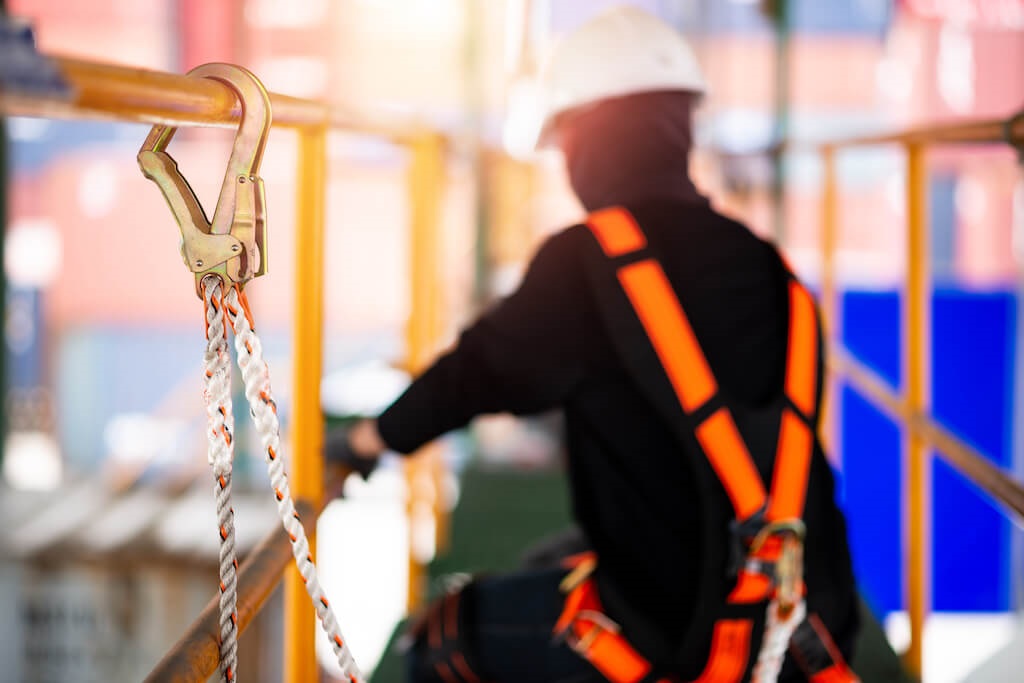
A complete Fall Arrest System consists of several interconnected components that function together to provide maximum protection. The full body harness serves as the primary wearable component, distributing arrest forces across the shoulders, thighs, pelvis, and chest instead of concentrating them in one area. Anchorage points provide secure attachment locations capable of supporting substantial loads during a fall event. Connecting devices, including shock-absorbing lanyards and self-retracting lifelines, create the connection between the worker and the anchor while limiting impact forces. Connectors such as locking snap hooks and carabiners ensure secure attachment between all system elements. Each component must be certified, compatible with the others, and suitable for the specific work environment. Using mismatched or damaged equipment may compromise the entire system’s effectiveness. Selecting high-quality components ensures the Fall Arrest System performs as intended whenever protection is needed most.
Different Types of Fall Arrest Systems
Not every workplace requires the same type of Fall Arrest System, making it important to choose equipment that matches the work environment. Personal Fall Arrest Systems are among the most widely used because they provide flexibility for workers performing various elevated tasks. Horizontal lifeline systems allow employees to move across wide work areas while remaining continuously connected to fall protection. Vertical lifeline systems are commonly used on ladders, communication towers, and confined climbing structures where workers travel vertically. Self-retracting lifeline systems offer rapid locking mechanisms that reduce free-fall distance and improve overall protection. Specialized systems may also be designed for unique industrial applications, including offshore platforms, wind turbines, and complex maintenance operations. Understanding these options helps employers select the most effective Fall Arrest System for their operational requirements while maximizing worker safety and mobility.
Industries That Require a Fall Arrest System
Many industries depend on a reliable Fall Arrest System because employees regularly perform duties above ground level. Construction companies use these systems during roofing, structural steel work, bridge construction, and scaffold operations. Manufacturing facilities rely on fall protection for maintenance personnel working on elevated equipment or overhead structures. Telecommunications technicians frequently climb towers where dependable fall protection is essential throughout the ascent and descent. Utility workers perform maintenance on transmission towers, substations, and elevated electrical infrastructure that demand continuous protection. Warehousing operations often require workers to access elevated storage systems and maintenance platforms. Building maintenance professionals, including window cleaners and facade specialists, also depend on Fall Arrest System solutions for daily operations. Oil and gas facilities, mining sites, transportation infrastructure, and renewable energy installations further demonstrate the broad need for effective fall protection across numerous industries.
Benefits of Installing a Reliable Fall Arrest System
Installing a dependable Fall Arrest System delivers benefits that extend far beyond regulatory compliance. Most importantly, it significantly reduces the risk of severe injuries and fatalities associated with working at heights. A safer workplace also improves employee confidence, allowing workers to focus on their responsibilities without unnecessary anxiety. Organizations that prioritize fall protection often experience reduced downtime resulting from fewer workplace incidents and disruptions. Lower accident rates may also contribute to decreased compensation claims, insurance costs, and legal expenses. Demonstrating a commitment to worker safety strengthens company reputation among clients, employees, and business partners. Over time, investing in a high-quality Fall Arrest System supports long-term operational efficiency while reinforcing a strong culture of workplace safety throughout the organization.
Choosing the Right Fall Arrest System
Selecting the ideal Fall Arrest System begins with a detailed assessment of workplace hazards and operational requirements. Employers should first evaluate the height at which work will be performed and identify all potential fall hazards. Worker mobility requirements also influence equipment selection because some tasks require continuous movement while others involve fixed work positions. The weight of workers, tools, and carried equipment must be considered to ensure the system remains within its rated capacity. Environmental conditions such as weather exposure, chemical contact, moisture, and extreme temperatures should also influence product selection. Compatibility between harnesses, connectors, anchorage devices, and lifelines is essential for reliable system performance. Consulting qualified safety professionals can help organizations choose a Fall Arrest System that provides dependable protection while meeting operational demands.
Proper Installation Requirements
Even the highest-quality Fall Arrest System cannot provide effective protection if it is installed incorrectly. Professional installation begins with evaluating the structural integrity of anchorage locations to ensure they can withstand required loads. Qualified installers determine the best anchor placement to minimize fall distance and reduce swing hazards. Every component should be installed according to manufacturer specifications and applicable workplace safety standards. Compatibility checks confirm that harnesses, connectors, lifelines, and anchorage systems work together as intended. Thorough documentation and certification provide valuable records for inspections and compliance purposes. Before employees begin work, the completed Fall Arrest System should undergo a final inspection to verify that every component functions correctly and provides the expected level of protection.
Inspection and Maintenance Best Practices
Regular inspection and maintenance are essential for preserving the reliability of every Fall Arrest System. Workers should perform visual inspections before each use, checking for cuts, frayed webbing, corrosion, deformation, loose stitching, and damaged hardware. Scheduled inspections conducted by qualified personnel provide a more comprehensive evaluation of the entire system. Any equipment showing signs of wear or damage should be removed from service immediately until properly repaired or replaced. Proper cleaning methods help preserve materials while preventing contaminants from weakening critical components. Safe storage in clean, dry locations protects equipment from sunlight, chemicals, and environmental damage when not in use. Maintaining detailed inspection records also supports regulatory compliance while ensuring every Fall Arrest System remains ready for safe operation whenever needed.
Common Mistakes to Avoid When Using a Fall Arrest System
Many workplace accidents occur because of avoidable errors rather than equipment failure. One of the most common mistakes is wearing a harness that has not been properly adjusted to fit the worker. Connecting to an unsuitable anchorage point can also compromise the effectiveness of the entire Fall Arrest System during an emergency. Ignoring routine inspections increases the likelihood that damaged equipment will remain in service unnoticed. Mixing incompatible components from different systems may prevent proper operation during a fall event. Workers should never exceed equipment weight limits or modify components without manufacturer approval. Another frequent mistake is neglecting employee training, leaving workers uncertain about proper usage procedures. Avoiding these errors significantly improves the overall performance and reliability of every Fall Arrest System.
Why Employee Training Is Essential
Employee training plays a central role in maximizing the effectiveness of any Fall Arrest System. Workers need to understand how each component functions and why every connection point matters during elevated work. Hands-on instruction allows employees to practice correctly fitting harnesses, inspecting equipment, and attaching connectors with confidence. Training also helps workers recognize workplace hazards before beginning a task, allowing preventive measures to be implemented whenever possible. Emergency response education ensures employees know how to react quickly if a fall occurs, reducing suspension-related risks while rescue operations begin. Regular refresher training keeps safety knowledge current and reinforces proper work practices as equipment and regulations evolve. Organizations that invest in comprehensive Fall Arrest System training create a stronger safety culture that benefits every employee and every project.
Frequently Asked Questions
What is the purpose of a Fall Arrest System?
A Fall Arrest System is designed to safely stop a worker during a fall while reducing impact forces that could cause severe injury or death.
What are the main components of a Fall Arrest System?
The primary components include a full body harness, secure anchorage point, connecting device such as a lanyard or self-retracting lifeline, and compatible connectors like locking carabiners or snap hooks.
How often should Fall Arrest Systems be inspected?
Workers should inspect equipment before every use, while qualified personnel should perform detailed inspections according to manufacturer recommendations and workplace safety requirements.
What is the difference between fall restraint and a Fall Arrest System?
Fall restraint prevents workers from reaching hazardous edges, while a Fall Arrest System safely stops a worker after a fall has already occurred.
Can a Fall Arrest System be used in all industries?
Yes. Construction, telecommunications, manufacturing, utilities, oil and gas, warehousing, mining, transportation, and building maintenance are just some of the industries that regularly use Fall Arrest Systems.
How do I choose the right Fall Arrest System for my workplace?
Evaluate workplace hazards, working height, employee mobility, environmental conditions, equipment compatibility, and anchorage requirements before selecting a Fall Arrest System that matches your operational needs.
Takeaway
A dependable Fall Arrest System serves as one of the most effective safeguards for employees working at elevated locations. Selecting quality equipment, ensuring professional installation, performing regular inspections, and providing comprehensive employee training all contribute to a safer work environment. Every component, from the harness to the anchorage point, plays an essential role in stopping falls safely and reducing injury risks. Organizations that prioritize proper fall protection demonstrate a strong commitment to employee well-being while supporting regulatory compliance and operational efficiency. By investing in the right Fall Arrest System and maintaining it consistently, businesses can protect their workforce, reduce workplace incidents, and build a lasting culture of safety.