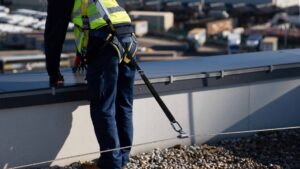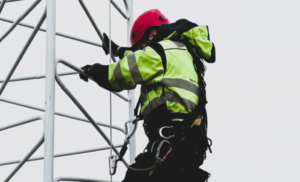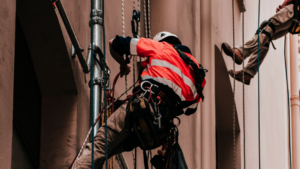
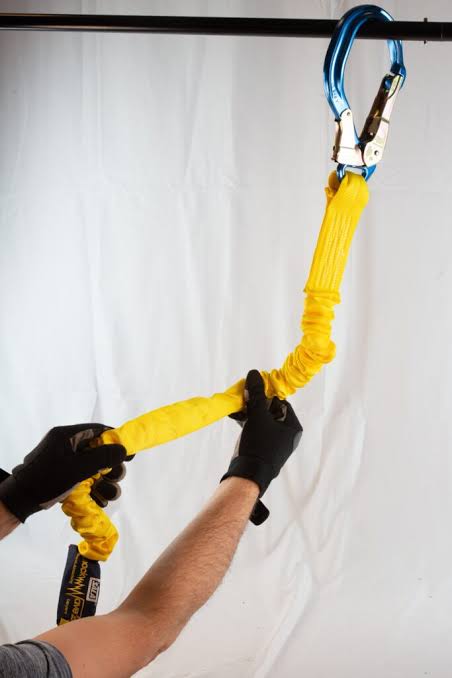
Working at elevated heights requires dependable fall protection equipment that can respond instantly in the event of a slip or fall. A Self Retracting Lanyard is one of the most effective components of a personal fall arrest system because it minimizes free-fall distance while allowing workers to move with greater freedom. Whether on a construction site, industrial facility, telecommunications tower, or maintenance project, choosing the right equipment can significantly reduce workplace risks.
Organizations that prioritize worker safety understand that investing in a quality Self Retracting Lanyard goes beyond meeting regulatory requirements. It demonstrates a commitment to protecting employees, reducing downtime, and improving overall productivity. Learning how these devices function, how to inspect them, and how to use them correctly helps create safer job sites and supports long-term operational success.
What Is a Self Retracting Lanyard?
A Self Retracting Lanyard is a fall protection device designed to automatically extend and retract as a worker moves around the job site. Unlike traditional fixed-length lanyards, it maintains tension on the lifeline, reducing slack and limiting the distance a worker can fall before the braking mechanism engages.
The device operates similarly to a vehicle seatbelt. As the worker moves, the lifeline extends smoothly. If a sudden fall occurs, the internal braking system locks almost instantly, stopping the fall within a much shorter distance than conventional lanyards.
These devices are commonly integrated into personal fall arrest systems used in industries where employees routinely work at elevated heights. Construction workers, maintenance crews, utility technicians, and industrial personnel all rely on this equipment for enhanced protection.
Because the free-fall distance is minimized, workers experience lower arrest forces during a fall. This can significantly reduce the severity of injuries compared to longer traditional lanyards.
Modern self retracting lanyards are available in various sizes, lifeline materials, and weight capacities, allowing businesses to choose solutions that best match specific work environments.
Selecting certified equipment helps organizations maintain compliance while creating a safer workplace for everyone involved.
How a Self Retracting Lanyard Works
The effectiveness of a Self Retracting Lanyard lies within its internal braking mechanism. As the worker moves, the lifeline extends and retracts automatically while remaining under constant tension.
When movement occurs at a normal speed, the internal drum rotates freely, allowing comfortable mobility throughout the work area. This enables workers to climb, position themselves, and complete tasks without unnecessary restrictions.
If the worker slips or falls, the rapid acceleration activates the internal braking system almost immediately. The brake locks the drum, dramatically reducing the distance traveled before the fall is arrested.
This rapid response minimizes free-fall distance, reducing both impact forces and the possibility of striking nearby structures or lower levels.
Many advanced models also include built-in energy absorbers that further reduce the force transferred to the worker’s body during fall arrest.
The combination of automatic retraction, instant braking, and energy absorption makes a Self Retracting Lanyard one of the most reliable forms of fall protection available today.
Key Components of a Self Retracting Lanyard
Understanding each component helps users appreciate how a Self Retracting Lanyard functions effectively.
The housing protects the internal braking mechanism from dust, moisture, and physical damage. Durable materials such as aluminum or reinforced polymer help extend equipment life in demanding environments.
Inside the housing is the retractable lifeline, which may be made from galvanized steel cable or high-strength synthetic webbing. Each material offers specific advantages depending on environmental conditions.
The braking system activates automatically whenever sudden acceleration occurs, stopping the lifeline almost instantly.
Energy-absorbing elements help reduce arrest forces experienced by the worker after a fall.
Connectors, snap hooks, and carabiners provide secure attachment points between the harness and anchor system. Many include double-locking mechanisms to prevent accidental disengagement.
Some models also feature swivel connectors that reduce twisting during movement, improving comfort and extending equipment longevity.
Benefits of Using a Self Retracting Lanyard
A Self Retracting Lanyard offers several advantages compared to traditional fixed-length lanyards.
One of its greatest benefits is reducing free-fall distance. Shorter falls generally mean lower impact forces and fewer injuries.
Workers enjoy improved mobility because the retractable lifeline follows their movement automatically without excessive slack.
This increased freedom allows employees to perform tasks more efficiently, particularly when climbing ladders, navigating structures, or moving across platforms.
The reduced tripping hazard created by a constantly tensioned lifeline contributes to a safer work environment.
Businesses often experience fewer incidents, lower workers’ compensation costs, and improved operational efficiency by implementing reliable fall protection equipment.
Investing in high-quality Self Retracting Lanyards demonstrates a company’s commitment to employee safety while supporting regulatory compliance and workplace confidence.
Industries That Commonly Use Self Retracting Lanyards
Many industries depend on Self Retracting Lanyards because working at height presents significant safety risks.
Construction remains one of the largest users of retractable fall protection systems. Workers frequently operate on scaffolding, rooftops, steel structures, and elevated platforms.
Telecommunications technicians use them while climbing communication towers and maintaining antenna systems.
Roofing contractors rely on these devices when installing roofing materials, solar panels, or performing maintenance work.
Industrial manufacturing plants use fall protection during equipment maintenance, overhead inspections, and elevated repair activities.
Utility companies employ retractable lanyards while servicing power lines, substations, and electrical infrastructure.
Building maintenance professionals also benefit from these systems when cleaning windows, servicing HVAC equipment, or repairing high-rise structures.
Choosing the Right Self Retracting Lanyard
Selecting the proper Self Retracting Lanyard requires evaluating multiple factors specific to the job.
Working height is one of the first considerations. Different models offer varying lifeline lengths suitable for different applications.
Weight capacity should always match both the worker and any tools or equipment carried during the task.
The choice between steel cable and synthetic webbing depends on environmental hazards such as sharp edges, chemicals, moisture, or electrical exposure.
Leading-edge applications require specially designed retractable lanyards capable of withstanding contact with structural edges.
The anchor point should always be compatible with the selected equipment and positioned to minimize swing-fall hazards whenever possible.
Choosing certified products from reputable manufacturers helps ensure long-term reliability and regulatory compliance.
Common Types of Self Retracting Lanyards
Not every Self Retracting Lanyard is designed for the same work environment.
Cable models offer exceptional durability and resistance to abrasion, making them suitable for rugged industrial settings.
Webbing models are generally lighter, easier to carry, and more comfortable for workers performing continuous movement.
Personal retractable lanyards are compact units intended for workers requiring maximum mobility.
Leading-edge models include additional protection for situations where the lifeline may contact sharp structural edges.
Overhead-mounted units support work across larger operational areas such as warehouses and production facilities.
Confined-space systems often integrate retrieval mechanisms that assist emergency rescue operations if a worker becomes incapacitated.
Understanding these options allows organizations to select equipment that best matches their operational requirements.
Safety Standards and Certifications to Look For
Safety certifications provide confidence that a Self Retracting Lanyard has undergone rigorous testing.
Many organizations require compliance with OSHA regulations governing fall protection in the workplace.
ANSI standards establish performance requirements for fall arrest equipment used throughout North America.
International projects may also require compliance with CSA or EN standards depending on local regulations.
Manufacturers conduct extensive testing to evaluate braking performance, durability, corrosion resistance, and load capacity.
Certification labels should remain legible throughout the equipment’s service life to verify inspection and compliance information.
Purchasing certified equipment helps organizations satisfy workplace safety requirements while providing dependable protection for employees.
Proper Inspection Before Every Use
Routine inspections are one of the most important responsibilities for anyone using a Self Retracting Lanyard.
Workers should examine the housing for cracks, dents, or signs of impact damage before each use.
The lifeline should be inspected for cuts, broken wires, abrasions, corrosion, burns, or chemical damage.
Connectors must lock securely without sticking or excessive wear.
The retraction mechanism should extend and retract smoothly without hesitation.
Labels should remain readable since inspection information and certification details are often printed directly on them.
Any equipment showing damage, malfunction, or signs of previous fall arrest should be removed from service immediately until evaluated by qualified personnel.
Best Practices for Safe Usage
Using a Self Retracting Lanyard properly maximizes its protective capabilities.
Always connect the lanyard to an approved full-body harness designed for fall arrest applications.
The anchor point should be positioned above the worker whenever possible to reduce swing-fall hazards and minimize free-fall distance.
Workers should avoid allowing the lifeline to wrap around structural components or become tangled during movement.
Only compatible connectors should be used to prevent accidental disengagement or improper loading.
Every employee should receive comprehensive training on equipment use, hazard recognition, and emergency procedures before beginning work at height.
Following manufacturer instructions consistently helps ensure reliable performance throughout the equipment’s service life.
Routine Maintenance and Storage Tips
Proper maintenance extends the lifespan of every Self Retracting Lanyard.
Equipment should be cleaned according to the manufacturer’s recommendations after exposure to dirt, dust, or contaminants.
Harsh chemicals should never be used unless specifically approved because they may damage internal components or lifeline materials.
Storage areas should remain cool, dry, and protected from direct sunlight, excessive moisture, and corrosive substances.
Periodic inspections performed by qualified personnel help identify wear that may not be visible during routine user inspections.
Accurate maintenance records assist organizations in tracking inspection schedules and equipment replacement timelines.
Good storage and maintenance practices improve equipment reliability while supporting long-term workplace safety.
Common Mistakes to Avoid
Several preventable mistakes reduce the effectiveness of a Self Retracting Lanyard.
Using equipment that has not been inspected increases the likelihood of failure during an emergency.
Attaching the lanyard to an unsuitable anchor point compromises the entire fall protection system.
Ignoring weight limitations places excessive stress on the equipment during fall arrest.
Attempting unauthorized repairs or modifications can interfere with the internal braking mechanism.
Allowing the lifeline to contact sharp edges without appropriate leading-edge protection increases the risk of damage.
Poor storage habits expose equipment to environmental conditions that shorten its usable life and reduce overall reliability.
Signs That It’s Time to Replace a Self Retracting Lanyard
Every Self Retracting Lanyard eventually reaches the end of its service life.
Any device that has arrested a fall should generally be removed from service immediately unless the manufacturer specifically authorizes reuse following inspection.
Visible cracks, corrosion, broken cables, torn webbing, or damaged connectors indicate replacement is necessary.
Equipment that fails functional testing or does not retract smoothly should never remain in service.
Missing labels make it difficult to verify inspection history and certification information.
Manufacturers also provide recommended service life guidelines based on design, usage frequency, and environmental exposure.
Replacing worn equipment before failure occurs is one of the most effective ways to maintain workplace safety.
Frequently Asked Questions
What is a Self Retracting Lanyard used for?
A Self Retracting Lanyard is used to protect workers from falls while working at elevated heights by automatically arresting falls and minimizing free-fall distance.
How is a Self Retracting Lanyard different from a regular lanyard?
Traditional lanyards have a fixed length, while a self retracting model automatically adjusts its lifeline and stops falls much faster through an internal braking system.
How often should a Self Retracting Lanyard be inspected?
Workers should inspect the equipment before every use, while qualified personnel should perform periodic inspections according to manufacturer recommendations and workplace regulations.
Can a Self Retracting Lanyard be reused after stopping a fall?
Most manufacturers require equipment involved in a fall arrest event to be removed from service until properly inspected or replaced.
Which industries benefit the most from Self Retracting Lanyards?
Construction, telecommunications, manufacturing, utilities, roofing, oil and gas, warehousing, and facility maintenance all rely heavily on these fall protection devices.
What certifications should I look for?
Look for products that comply with OSHA regulations and recognized standards such as ANSI, CSA, or EN depending on your location and application.
How long does a Self Retracting Lanyard last?
Its lifespan depends on manufacturer guidelines, inspection results, usage frequency, and environmental conditions. Proper maintenance can help maximize service life.
Can a Self Retracting Lanyard be used outdoors?
Yes. Many models are specifically designed for outdoor environments, although selecting equipment suitable for weather conditions and environmental hazards is essential.
Takeaway
A Self Retracting Lanyard is one of the most valuable investments organizations can make when protecting employees who work at height. Its ability to minimize free-fall distance, improve mobility, and provide rapid fall arrest makes it an essential component of modern fall protection systems. By selecting certified equipment, conducting routine inspections, following proper usage practices, and replacing worn devices when necessary, businesses can significantly reduce workplace risks. Prioritizing reliable fall protection not only supports regulatory compliance but also fosters a culture where employee safety, operational efficiency, and long-term productivity remain at the forefront of every project.