
Strong construction starts with dependable materials, accurate data, and clear quality checks. Laboratory Testing gives engineers, contractors, developers, and project owners the technical information needed to confirm whether soil and construction materials meet required specifications. This process supports better decisions before materials become part of a road, building, bridge, foundation, or other major structure.
Every material used for construction has properties that affect strength, durability, stability, and long-term performance. Soil must carry loads safely. Aggregates must have suitable grading and cleanliness. Asphalt must meet project requirements. Reinforced steel products must show proper mechanical strength. Concrete hollow blocks must provide acceptable quality for wall systems. Laboratory Testing checks these properties through controlled procedures and recognized methods.
Inch-On Materials Testing Laboratory provides independent quality verification for construction projects. Established during November 2018, the company operates as a DPWH-BRS accredited engineering and construction laboratory. Its services cover coarse aggregates, fine aggregates, asphalt, soil, reinforced steel bars and products, plus concrete hollow blocks. Inch-On also performs on-site tests for soil, concrete, and foundation piles through specialized equipment.
What Is Laboratory Testing for Construction Materials?
Laboratory Testing refers to controlled evaluation of material samples through standard equipment, documented procedures, and technical calculations. Samples may come from a quarry, supplier, job site, manufacturing plant, stockpile, or completed construction component. Each test measures specific properties that help project teams judge quality and suitability.
A visual check alone cannot confirm every material characteristic. A pile of aggregate may look clean yet still fail grading requirements. Soil may appear firm while showing poor load-bearing behavior. A steel bar may look acceptable while lacking required tensile strength. Laboratory Testing provides measurable results that allow engineers to compare materials against project plans, applicable standards, and technical specifications.
This process may take place before supplier approval, during material delivery, during active construction, or after a quality concern appears. Proper timing helps project teams detect issues early, limit waste, and protect construction schedules.
Why Laboratory Testing Matters for Construction Quality
Laboratory Testing supports quality control by replacing assumptions with documented results. Project teams can use these findings to approve materials, request corrective action, review supplier performance, or reject samples that do not meet set requirements.
Material failure can create serious problems. Weak soil may cause settlement. Poor aggregates may affect concrete strength. Unsuitable asphalt may lead to early pavement damage. Low-quality steel may reduce structural reliability. Weak concrete hollow blocks may crack or absorb too much moisture. Laboratory Testing helps reduce these risks through early verification.
Accurate test results also support regulatory compliance. Many public and private projects require reports from accredited laboratories. Such documentation may become part of project records, inspection files, payment requirements, material approvals, or turnover documents.
Another major benefit concerns cost control. Discovering unsuitable materials before placement is usually less costly than removing completed work. Laboratory Testing can help avoid replacement expenses, repair work, scheduling setbacks, and disputes among contractors, suppliers, consultants, and owners.
Materials Covered by Inch-On Laboratory Testing
Inch-On Materials Testing Laboratory supports several major material categories used across civil works, commercial developments, residential projects, roads, foundations, and public infrastructure.
Coarse Aggregates
Coarse aggregates affect concrete strength, workability, drainage, road-base performance, and overall material stability. Laboratory Testing may assess grading, durability, cleanliness, particle shape, and other required properties. These checks help confirm whether aggregates suit their intended construction purpose.
Poor aggregate quality may weaken concrete or cause uneven performance. Reliable results allow engineers and quality-control teams to compare each sample against project requirements before approval.
Fine Aggregates
Fine aggregates play an important role across concrete, mortar, plaster, masonry work, and related applications. Laboratory Testing can evaluate particle-size distribution, moisture, cleanliness, and material consistency.
Excessive fines, contamination, poor grading, or irregular moisture can affect mixing, bonding, finish quality, and strength. Proper testing helps teams manage these factors before large quantities become part of ongoing work.
Asphalt
Asphalt quality affects pavement durability, surface performance, resistance to traffic loads, and service life. Laboratory Testing checks whether asphalt materials meet specified properties for road and pavement applications.
Reliable test data helps contractors and engineers assess consistency before placement. It may also support quality checks during road construction, rehabilitation, or maintenance projects.
Soil
Soil forms the support layer for foundations, roads, embankments, slabs, and many other structures. Laboratory Testing helps determine soil properties related to classification, moisture, compaction, strength, plasticity, settlement, and bearing behavior.
Poor soil conditions may contribute to uneven settlement, cracking, instability, or foundation trouble. Soil Laboratory Testing gives engineers useful data for design review, earthwork decisions, compaction control, and foundation planning.
Reinforced Steel Bars and Products
Reinforced steel helps concrete resist tension and structural loads. Laboratory Testing may assess mechanical properties such as yield strength, tensile strength, elongation, and other project-specific requirements.
Steel products that fail required values may place structural performance at risk. Independent testing gives project teams documented proof before large quantities become embedded within concrete elements.
Concrete Hollow Blocks
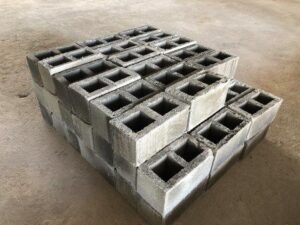
Concrete hollow blocks are widely used for partitions, exterior walls, property boundaries, and other masonry work. Laboratory Testing may check strength, dimensions, absorption, density, and general product quality.
Block quality affects wall durability, resistance to cracking, moisture behavior, and construction consistency. Testing gives contractors and owners a clearer basis for product approval.
How the Laboratory Testing Process Works
A dependable Laboratory Testing process starts with proper sample identification. Material type, source, project name, sample date, requested tests, and client details should be recorded clearly. Accurate identification helps protect traceability and reduces confusion during reporting.
Next comes sample preparation. Each material requires a suitable preparation method based on the relevant test procedure. Soil may need drying, sieving, or molding. Aggregates may need splitting or washing. Steel samples may require cutting to specified dimensions. Correct preparation supports fair and repeatable results.
Testing then takes place through suitable apparatus and controlled methods. Trained personnel record measurements, observations, and calculations. Laboratory conditions, sample condition, and procedure details may also affect results, so careful documentation remains essential.
After testing, technical staff review the data and prepare a report. A quality report should state the sample description, test method, recorded values, findings, and other relevant notes. Project teams can then use the report for material approval, quality records, compliance checks, or corrective action.
ASTM and AASHTO Standards for Laboratory Testing
Recognized standards help create consistency across testing procedures. Inch-On follows ASTM and AASHTO methods for applicable services. These standards give laboratories, engineers, contractors, and government agencies a common technical basis for sample preparation, apparatus use, calculation methods, and result reporting.
ASTM standards cover many construction materials, including soil, aggregates, concrete-related products, steel, and asphalt. AASHTO methods are widely used for transportation and highway materials. Using recognized procedures helps make Laboratory Testing results easier to review and compare.
Standard methods also reduce personal judgment during testing. Each procedure defines steps, sample requirements, equipment conditions, and reporting practices. Such structure supports dependable quality control for public works, private developments, and high-value engineering projects.
Laboratory Testing and On-Site Testing
Laboratory Testing evaluates samples under controlled conditions, while on-site testing checks actual conditions at a project location. Both service types can provide valuable information, yet each serves a different purpose.
Laboratory Testing offers detailed measurement through prepared samples and specialized apparatus. On-site testing provides direct assessment of soil, concrete, foundation piles, or other project elements where they are located.
A combined approach may give project teams a fuller view of quality and performance. For example, soil samples may receive laboratory classification while field procedures check compaction or actual ground behavior. Concrete samples may undergo laboratory tests while non-destructive checks assess existing structural elements. Foundation piles may require specialized field equipment to verify condition or response.
Inch-On supports both laboratory and on-site services, allowing clients to coordinate several testing needs through one accredited provider.
On-Site Testing Services from Inch-On
Soil Evaluation
On-site soil testing helps project teams assess actual ground or earthwork conditions. Depending on project needs, field procedures may support compaction checks, strength evaluation, settlement review, or foundation planning.
Such data can confirm whether site preparation meets required criteria before slabs, roads, embankments, or structural foundations proceed.
Concrete Evaluation
Existing concrete may require on-site checks due to quality concerns, structural review, renovation work, or project documentation. Specialized equipment can provide useful information without relying only on appearance.
Field concrete evaluation may support decisions about acceptance, repair, further investigation, or additional testing.
Foundation Pile Evaluation
Foundation piles carry major structural loads below ground. Their condition and performance have a direct effect on foundation reliability. Inch-On uses specialized equipment for pile-related testing, giving engineers technical data for structural review and quality verification.
Pile evaluation may be required for bridges, towers, commercial buildings, industrial structures, and other projects with deep foundation systems.
Why DPWH-BRS Accreditation Matters
DPWH-BRS accreditation shows that a laboratory has met recognized requirements set by the Department of Public Works and Highways–Bureau of Research and Standards. Such recognition matters because construction decisions often depend on accurate test results.
An accredited provider must maintain proper equipment, testing procedures, documentation, and technical capability. This gives clients greater confidence that Laboratory Testing results come from a qualified and recognized facility.
Accreditation may also support government project requirements, infrastructure compliance, consultant review, and contractor documentation. For high-stakes projects, choosing an accredited laboratory can reduce questions about result credibility.
Inch-On Materials Testing Laboratory carries DPWH-BRS accreditation and follows ASTM and AASHTO procedures. This combination supports dependable testing for both public and private construction work.
When Should a Project Request Laboratory Testing?
Laboratory Testing should begin before major material use whenever project specifications require approval. Early testing helps prevent unsuitable products from reaching active work areas.
Testing may also be needed during supplier selection, bulk deliveries, concrete production, road construction, earthwork, steel procurement, masonry installation, and foundation activities. Regular sampling helps project teams monitor consistency across different batches or delivery dates.
A project should also request Laboratory Testing after visible defects, failed inspections, supplier changes, material substitutions, unexpected settlement, cracking, or other quality concerns. Prompt evaluation helps teams identify likely causes and decide what action to take.
Completed work may also require testing before acceptance or turnover. Reports can support final documentation, compliance review, and owner confidence.
Who Benefits from Laboratory Testing Services?
Engineers use Laboratory Testing data to review material behavior and compare results against design requirements. Contractors use reports for quality control and work acceptance. Developers use testing to protect project value and reduce construction risks.
Government agencies may require accredited results for public works and infrastructure projects. Consultants use reports during inspection and technical review. Suppliers may request independent tests to confirm product quality. Property owners may need testing during construction, renovation, dispute resolution, or structural assessment.
Laboratory Testing therefore supports many project participants, from early design through final completion.
Common Risks of Skipping Laboratory Testing
Skipping Laboratory Testing may lead to material approval based only on appearance, supplier claims, or incomplete documents. Such decisions can create hidden quality problems.
Weak soil may cause settlement or foundation movement. Poor aggregates may reduce concrete performance. Unsuitable asphalt may deteriorate too early. Steel products may fail mechanical requirements. Concrete hollow blocks may crack, absorb moisture, or show low strength.
Quality problems may lead to rejected work, removal costs, delays, repairs, legal disputes, or safety concerns. Laboratory Testing provides a practical way to detect many of these issues before they become larger project problems.
How to Choose a Reliable Materials Testing Laboratory
Start by checking accreditation. A DPWH-BRS accredited laboratory offers recognized technical capability for applicable construction testing services.
Review service coverage as well. The provider should handle the materials required by the project, such as soil, aggregates, asphalt, steel products, or concrete hollow blocks. Field capability can also matter where soil, concrete, or foundation pile checks are needed.
Ask which standards guide each procedure. ASTM and AASHTO methods provide widely recognized technical references. Clear reports, suitable apparatus, accurate sample records, and experienced staff also matter.
Choose a laboratory that communicates requirements clearly. Proper sample quantity, sample condition, testing method, and report schedule should be discussed before submission.
Why Choose Inch-On Materials Testing Laboratory?
Inch-On Materials Testing Laboratory combines accreditation, technical capability, and broad service coverage. Since November 2018, the company has supported construction quality through independent Laboratory Testing and on-site evaluation.
Clients can request tests for coarse aggregates, fine aggregates, asphalt, soil, reinforced steel bars and products, plus concrete hollow blocks. Field services also cover soil, concrete, and foundation piles through specialized equipment.
Testing follows ASTM and AASHTO procedures where applicable. DPWH-BRS accreditation gives project teams added confidence when results must support regulatory, engineering, or quality-control requirements.
Clear data helps clients make sound decisions. Whether a project involves roads, buildings, foundations, industrial facilities, or public works, Inch-On provides Laboratory Testing that supports safety, compliance, and long-term structural performance.
Protect Project Quality Through Reliable Laboratory Testing
Construction quality depends on more than skilled labor and good design. Every project also depends on materials that meet required properties. Laboratory Testing gives project teams the evidence needed to approve, reject, compare, or monitor those materials.
Early and regular testing may prevent costly errors, reduce uncertainty, and support better coordination among engineers, contractors, suppliers, consultants, and owners. Accredited results also strengthen project documentation and compliance records.
Inch-On Materials Testing Laboratory offers dependable Laboratory Testing backed by DPWH-BRS accreditation, ASTM and AASHTO methods, specialized apparatus, and on-site capability. These services help protect structural integrity from material selection through project completion.
Frequently Asked Questions About Laboratory Testing
What materials can Inch-On test?
Inch-On provides Laboratory Testing for coarse aggregates, fine aggregates, asphalt, soil, reinforced steel bars and products, plus concrete hollow blocks. Specific procedures depend on project requirements and applicable standards.
Why should construction materials receive Laboratory Testing?
Laboratory Testing checks whether materials meet project specifications, quality requirements, and expected performance values. Results may support approval, compliance documentation, quality control, and corrective action.
Is Inch-On accredited by DPWH-BRS?
Yes. Inch-On Materials Testing Laboratory is accredited by the Department of Public Works and Highways–Bureau of Research and Standards.
Which testing standards does Inch-On follow?
Inch-On follows ASTM and AASHTO testing methods for applicable services. These standards provide recognized procedures for sample preparation, equipment use, calculations, and reporting.
Does Inch-On provide on-site testing?
Yes. Inch-On performs on-site testing for soil, concrete, and foundation piles through specialized equipment.
When should Laboratory Testing take place?
Testing may take place before supplier approval, before bulk material use, during active construction, after a quality concern, or before project acceptance. Project specifications usually guide timing and frequency.
Who may request Laboratory Testing services?
Contractors, engineers, developers, consultants, government agencies, suppliers, quality-control teams, and property owners may request testing services.
How do test reports support construction projects?
Test reports provide documented values that support material approval, engineering review, compliance records, supplier evaluation, and corrective action. They also give project teams a clear technical basis for decisions.