Working at elevated locations presents unique risks that require dependable fall protection systems. One of the most effective solutions for safeguarding workers during climbing and vertical movement is a Vertical Lifeline. Whether employees are scaling ladders, towers, scaffolding, or other elevated structures, a properly installed Vertical Lifeline provides continuous protection by stopping falls before they result in serious injury. As workplace safety standards continue to evolve, businesses across construction, telecommunications, utilities, manufacturing, and industrial maintenance recognize the importance of investing in reliable fall protection equipment. Understanding how a Vertical Lifeline works helps employers create safer job sites while giving workers greater confidence during daily tasks. Selecting the right system, using it correctly, and maintaining it properly are all essential parts of a successful safety program. This guide explains everything you need to know about Vertical Lifeline systems, from their components to best practices for safe use.
Understanding What a Vertical Lifeline Is
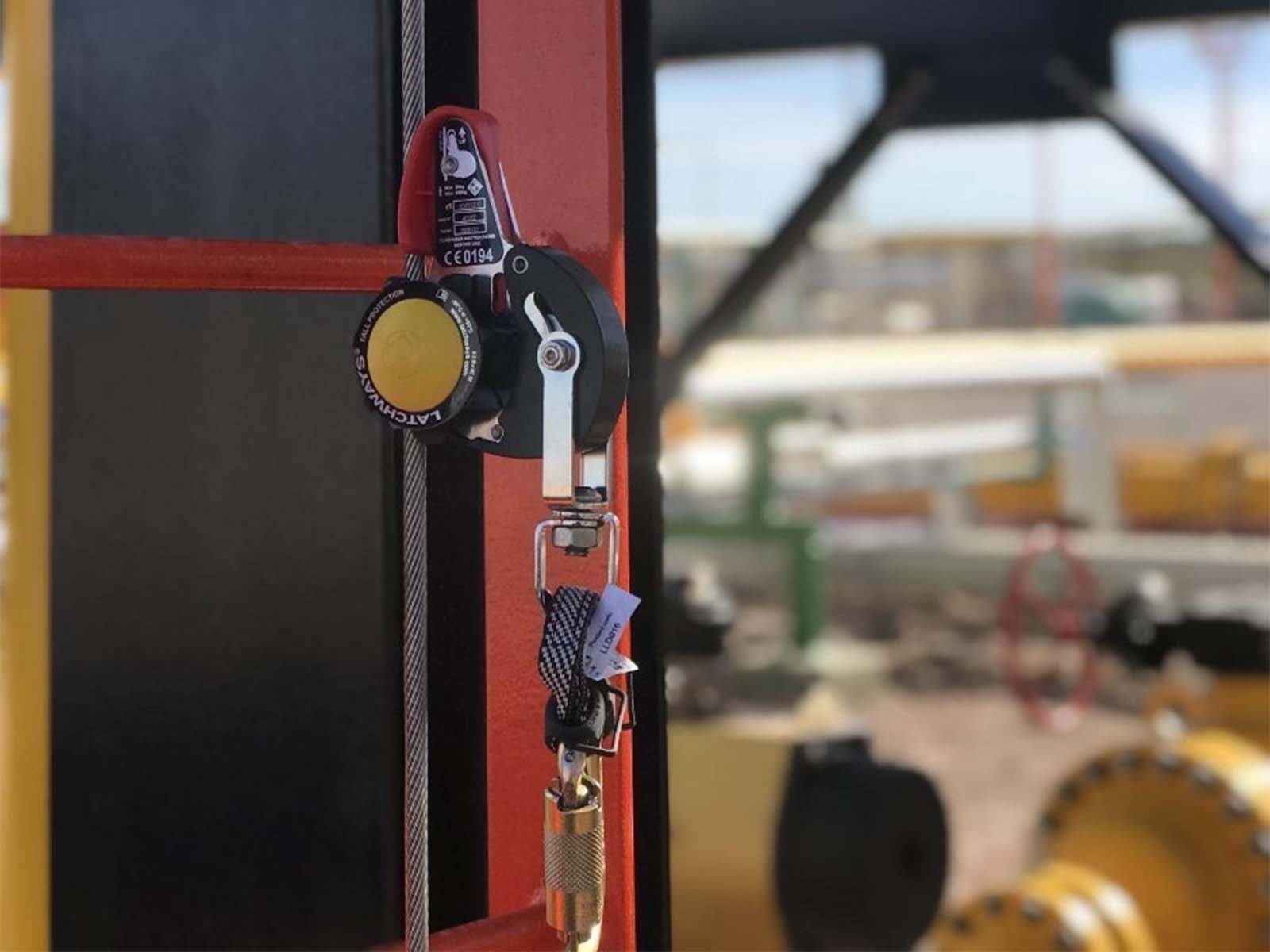
A Vertical Lifeline is an essential component of a personal fall arrest system designed to protect workers while climbing or working at height. It consists of a flexible rope or steel cable attached securely to a certified anchorage point. The worker connects to the Vertical Lifeline through a rope grab or fall arrester attached to a full-body harness. As the worker climbs, the rope grab travels smoothly along the lifeline without restricting movement. If a fall occurs, the device immediately locks onto the lifeline, minimizing the distance traveled and reducing the impact force on the worker. This rapid response helps prevent severe injuries and provides valuable time for rescue procedures to begin. Because of its dependable performance, a Vertical Lifeline has become a trusted safety solution in many industries where employees routinely perform elevated tasks.
How a Vertical Lifeline Works
The effectiveness of a Vertical Lifeline lies in its simple yet highly engineered design. The system begins with a strong anchorage point positioned above the worker to provide the best possible fall protection. A durable rope or cable extends vertically from the anchor, creating a secure pathway for climbing. Attached to the worker’s full-body harness is a rope grab or fall arrester that moves freely during normal movement. If the worker suddenly slips or falls, the rope grab instantly locks onto the lifeline, stopping the descent within a very short distance. Energy-absorbing components help reduce the force transferred to the worker’s body during the arrest. This coordinated system allows workers to perform their duties efficiently while remaining continuously connected to a dependable safety device.
Main Components of a Vertical Lifeline System
Every Vertical Lifeline system consists of several critical components that work together to create complete fall protection. The anchorage point serves as the system’s foundation and must be capable of supporting substantial loads during a fall event. The lifeline itself is typically constructed from high-strength synthetic rope or galvanized steel cable, depending on the work environment. The rope grab or fall arrester travels with the worker and automatically engages if rapid movement is detected. A properly fitted full-body harness distributes fall forces across stronger areas of the body, reducing the risk of injury. Connectors such as locking carabiners and energy absorbers create secure links between each component while minimizing shock loads. Every part of the system must be compatible, inspected regularly, and used according to manufacturer guidelines to ensure reliable performance whenever it is needed.
Different Types of Vertical Lifeline Systems
Not every workplace requires the same type of Vertical Lifeline, making it important to understand the available options. Temporary Vertical Lifeline systems are commonly used for construction sites, maintenance projects, and short-term tasks where flexibility is required. These systems can be installed quickly and removed once work is complete. Permanent Vertical Lifeline systems are installed on structures such as communication towers, industrial facilities, and wind turbines where workers require frequent access. Rope-based systems are lightweight, portable, and easy to transport, making them ideal for changing job sites. Cable-based systems provide exceptional durability and resistance to harsh environmental conditions, making them suitable for long-term installations. Choosing the correct type depends on the work environment, frequency of use, exposure to weather, and overall safety requirements.
Industries That Depend on Vertical Lifeline Systems
Many industries rely on Vertical Lifeline systems to protect employees working at height every day. Construction workers use these systems while climbing scaffolding, structural steel, and building frameworks. Telecommunications technicians depend on Vertical Lifeline equipment while servicing cell towers and communication infrastructure. Utility companies require reliable fall protection for workers maintaining electrical transmission towers and power poles. Wind energy technicians regularly use Vertical Lifeline systems while climbing turbine towers that often exceed hundreds of feet in height. Building maintenance professionals rely on them when inspecting high-rise structures, elevator shafts, and rooftop equipment. Manufacturing facilities, warehouses, mining operations, and infrastructure inspection teams also benefit from these safety systems. Their versatility allows them to be adapted to countless elevated work environments where fall hazards exist.
Benefits of Using a Vertical Lifeline
Implementing a Vertical Lifeline offers numerous advantages for both employers and workers. The most important benefit is significantly improved worker safety through reliable fall arrest protection. Continuous attachment allows workers to move confidently without repeatedly disconnecting and reconnecting to safety systems. Increased confidence often leads to greater productivity because employees can focus on their tasks rather than worrying about potential falls. Organizations also benefit by reducing workplace accidents, minimizing downtime, and lowering injury-related costs. A properly selected Vertical Lifeline supports compliance with workplace safety regulations and demonstrates a company’s commitment to employee well-being. Long-lasting materials and durable construction provide excellent long-term value, making these systems a worthwhile investment for organizations committed to workplace safety excellence.
Choosing the Right Vertical Lifeline for Your Workplace
Selecting the right Vertical Lifeline requires careful evaluation of several important factors. Employers should first determine the maximum working height to ensure the lifeline provides adequate coverage without creating additional hazards. Environmental conditions also influence equipment selection because exposure to moisture, chemicals, ultraviolet light, or extreme temperatures can affect material performance. Load capacity must always match the combined weight of the worker, clothing, tools, and equipment. Compatibility with existing personal protective equipment is equally important to ensure all components function together safely. Employers should also verify that the equipment meets recognized industry standards and has been tested by qualified manufacturers. Consulting experienced safety professionals can help organizations choose systems that meet both operational needs and regulatory requirements while providing dependable worker protection.
Best Practices for Safe Vertical Lifeline Use
Using a Vertical Lifeline correctly requires more than simply attaching a harness before climbing. Workers should perform a thorough visual inspection before every use to identify cuts, fraying, corrosion, or damaged hardware. The anchorage point must always be verified to ensure it is strong enough to support the required loads. Harnesses should be adjusted properly so they fit securely without restricting movement or causing discomfort. Workers should remain connected to the Vertical Lifeline throughout the entire climbing process and avoid unnecessary disconnections. Equipment should never be modified or repaired without manufacturer approval because even small changes may compromise system performance. Regular training, refresher courses, and emergency rescue planning further strengthen workplace safety by ensuring everyone understands how to use the equipment properly.
Inspection and Maintenance Guidelines
Routine inspection and maintenance are essential for preserving the reliability of every Vertical Lifeline. Before each use, workers should examine ropes, cables, connectors, rope grabs, and harnesses for visible signs of wear or damage. Any equipment showing cuts, corrosion, excessive abrasion, deformation, or missing components should be removed from service immediately. Scheduled inspections by qualified personnel provide additional assurance that the system remains safe for continued use. Proper cleaning removes dirt, chemicals, and contaminants that could reduce equipment lifespan. Storage also plays a vital role because exposure to sunlight, moisture, and extreme temperatures can gradually weaken certain materials. Keeping accurate maintenance records helps organizations monitor equipment condition, schedule replacements, and maintain compliance with workplace safety requirements.
Common Mistakes to Avoid When Using a Vertical Lifeline
Several avoidable mistakes can reduce the effectiveness of a Vertical Lifeline and place workers at unnecessary risk. One of the most common errors is connecting the system to an unsuitable anchorage point that cannot withstand fall arrest forces. Workers sometimes overlook minor equipment damage that later develops into serious failures during use. Incorrect harness adjustment may also reduce protection by allowing excessive movement during a fall. Using incompatible components from different manufacturers can interfere with proper system operation and should always be avoided. Another frequent mistake involves skipping pre-use inspections because the equipment appeared acceptable during previous tasks. Lack of training also contributes to improper equipment use, highlighting the importance of ongoing education for everyone working at height.
Workplace Safety Standards Related to Vertical Lifeline Systems
Compliance with workplace safety standards plays an important role in the successful use of a Vertical Lifeline. Safety regulations establish minimum performance requirements for fall protection equipment, helping ensure systems provide reliable protection under real-world conditions. Employers are responsible for supplying certified equipment, conducting risk assessments, providing training, and maintaining inspection records. Workers also have responsibilities that include using equipment correctly, reporting defects, and following established safety procedures. Regular audits help organizations identify opportunities for improvement before accidents occur. A strong safety culture encourages open communication, continuous learning, and consistent compliance with recognized industry standards. Investing in certified Vertical Lifeline systems demonstrates a commitment to protecting employees while supporting long-term operational excellence.
Future Developments in Vertical Lifeline Technology
Technology continues to improve the performance and reliability of Vertical Lifeline systems. Modern materials are becoming lighter while maintaining exceptional strength, allowing workers to move more comfortably without sacrificing protection. Advanced fall arrest devices now respond even faster to sudden movement, helping reduce arrest distances and impact forces. Digital inspection platforms simplify maintenance by tracking equipment history, inspection schedules, and replacement dates electronically. Smart monitoring systems are also emerging that can detect falls, transmit emergency alerts, and provide valuable data for rescue teams. Manufacturers continue developing corrosion-resistant materials that perform better in harsh industrial environments. These innovations support safer workplaces by combining dependable engineering with practical solutions that improve both worker protection and operational efficiency.
Frequently Asked Questions (FAQ)
What is a Vertical Lifeline used for?
A Vertical Lifeline is used to protect workers from falls while climbing or working at elevated heights. It forms part of a personal fall arrest system and provides continuous safety during vertical movement.
How does a Vertical Lifeline prevent serious injuries?
The system uses a rope grab or fall arrester that immediately locks onto the lifeline if a fall occurs. This action limits the fall distance and helps reduce the force experienced by the worker.
What is the difference between a Vertical Lifeline and a horizontal lifeline?
A Vertical Lifeline is designed for climbing and vertical movement, while a horizontal lifeline supports workers moving across elevated surfaces such as rooftops or long platforms.
Can a Vertical Lifeline be used for temporary projects?
Yes. Temporary Vertical Lifeline systems are commonly used on construction sites, maintenance work, inspections, and other short-duration projects where portable fall protection is needed.
How often should a Vertical Lifeline be inspected?
Workers should inspect the equipment before every use, while qualified personnel should perform scheduled inspections according to manufacturer recommendations and workplace safety policies.
What equipment is required when using a Vertical Lifeline?
A complete system generally includes an approved anchorage point, Vertical Lifeline rope or cable, rope grab or fall arrester, full-body harness, connectors, and energy-absorbing components.
Can one Vertical Lifeline support multiple workers?
Some specially engineered systems are designed for multiple users, but many are intended for only one worker. Always follow the manufacturer’s specifications before allowing multiple users.
How do I choose the right Vertical Lifeline for my workplace?
Evaluate your working height, environmental conditions, load requirements, equipment compatibility, and applicable safety standards. Selecting certified equipment from reputable manufacturers helps ensure dependable performance.
Takeaway
A Vertical Lifeline is one of the most dependable solutions for protecting workers who regularly perform tasks at height. By combining a secure anchorage point, durable lifeline, reliable fall arrester, and properly fitted full-body harness, these systems create continuous protection throughout the climbing process. Choosing the right equipment, performing routine inspections, and providing regular worker training all contribute to a safer work environment. Organizations that prioritize proper fall protection not only reduce the likelihood of workplace injuries but also improve productivity, regulatory compliance, and employee confidence. As technology continues to advance, Vertical Lifeline systems will become even more efficient, durable, and user-friendly, making them an essential investment for any industry where working at height is part of daily operations.