Working at height is one of the most demanding aspects of many industries, making reliable fall protection a top priority. An Overhead Lifeline is one of the most effective solutions for protecting workers while allowing them to move efficiently across elevated workspaces. Whether in construction, manufacturing, aviation, warehouses, or industrial maintenance, an overhead lifeline helps reduce fall risks without limiting productivity. Modern systems are designed to support safe movement, comply with workplace safety standards, and provide dependable protection during routine and specialized tasks. Understanding how an overhead lifeline works allows employers and workers to make informed decisions about workplace safety investments. Choosing the right system can significantly reduce accidents, improve operational efficiency, and build a stronger safety culture. This guide explains everything you need to know about an overhead lifeline, from its components to maintenance, helping organizations create safer working environments.
What Is an Overhead Lifeline?
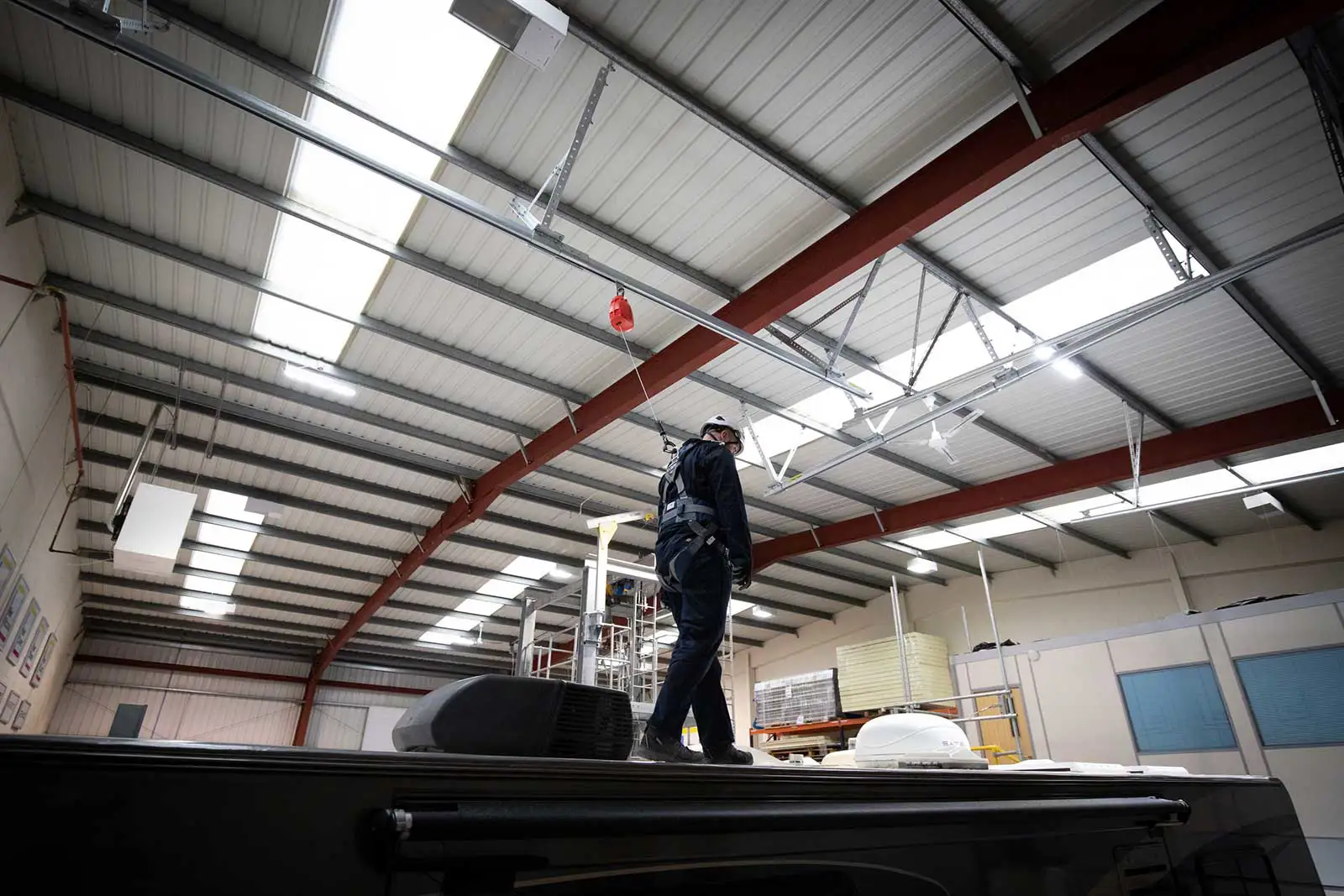
An Overhead Lifeline is a fall protection system installed above a worker’s operating area to provide continuous protection while performing tasks at height. Unlike temporary safety measures, overhead lifelines are often designed as permanent or semi-permanent systems that allow workers to travel safely throughout designated work zones. The system connects to a worker’s full-body harness through a trolley or lanyard that moves along a cable or rigid rail. This design minimizes fall distance while maximizing worker mobility. Overhead lifelines are commonly found in facilities where employees repeatedly perform elevated tasks such as equipment maintenance, loading operations, and structural inspections. These systems provide an excellent balance between worker freedom and dependable protection. As workplace safety regulations continue to evolve, overhead lifeline systems remain one of the most trusted methods for preventing serious fall-related injuries.
How an Overhead Lifeline Works
An overhead lifeline functions by creating a secure connection between the worker and an engineered anchor system positioned above the work area. As employees move from one location to another, a trolley or shuttle travels smoothly along the lifeline, maintaining constant attachment. Should a fall occur, the system immediately redirects the force into the structural anchors while energy-absorbing components help reduce impact on the worker’s body. This controlled process greatly lowers the likelihood of severe injuries compared to unprotected falls. Because the attachment point remains overhead, swing hazards and free-fall distances are also minimized. Workers can continue performing their duties with confidence while remaining continuously connected throughout the job. Proper engineering, installation, and user training all contribute to the overall effectiveness of an overhead lifeline system.
Main Components of an Overhead Lifeline System
Every overhead lifeline consists of several carefully engineered components that work together to deliver dependable protection. The foundation of the system begins with strong anchorage points capable of supporting significant loads during normal use and emergency situations. A cable or rigid rail serves as the primary travel path, allowing workers to move across the work area while remaining securely connected. Intermediate supports maintain proper cable alignment and structural integrity over long distances. Trolleys and connectors enable smooth movement without requiring workers to disconnect from the system. Energy absorbers reduce arrest forces during a fall, helping protect both the individual and the supporting structure. Each component must be compatible with the others to ensure the entire overhead lifeline performs as designed under demanding working conditions.
Different Types of Overhead Lifeline Systems
Several types of overhead lifeline systems are available to accommodate different workplace environments and operational needs. Horizontal cable systems are widely used because they provide long travel distances while remaining cost-effective for large facilities. Rigid rail systems offer exceptional stability and reduced deflection, making them ideal for environments requiring precise movement and shorter fall distances. Cable-based systems are flexible enough to fit a variety of industrial layouts while allowing customized installation options. Some workplaces require specially engineered overhead lifeline systems that address unique structural challenges or complex workflows. The appropriate selection depends on factors such as worker mobility, available overhead structure, user capacity, and environmental conditions. Understanding these differences allows organizations to choose a system that delivers the highest level of protection without disrupting productivity.
Industries That Commonly Use Overhead Lifeline Systems
Many industries rely on overhead lifeline systems because employees frequently work above ground level. Construction companies use them to protect crews installing structural components, roofing materials, and building systems. Manufacturing facilities install overhead lifelines over assembly lines and maintenance platforms where employees perform routine servicing. Aviation maintenance teams depend on these systems while inspecting and repairing aircraft. Warehouses use overhead lifelines during elevated storage operations and equipment maintenance. Power plants, mining operations, shipyards, transportation hubs, and oil and gas facilities also benefit from permanent fall protection systems that support continuous worker movement. Commercial building maintenance teams often use overhead lifelines while servicing rooftop equipment, skylights, and façade systems, making these installations valuable across numerous industries.
Benefits of Installing an Overhead Lifeline
Installing an overhead lifeline offers substantial advantages beyond basic regulatory compliance. Worker safety improves because employees remain continuously connected while performing elevated tasks. Increased mobility allows workers to complete jobs more efficiently without repeatedly disconnecting and reconnecting to different anchor points. Productivity often increases because employees can focus on their work instead of navigating complicated safety procedures. Organizations also reduce the likelihood of costly workplace injuries, equipment damage, and project delays. Permanent overhead lifeline systems frequently provide long service lives with proper maintenance, making them a valuable long-term investment. A visible commitment to worker safety also improves employee confidence, strengthens organizational culture, and demonstrates responsible operational management.
Choosing the Right Overhead Lifeline for Your Facility
Selecting the right overhead lifeline requires a careful evaluation of workplace conditions and operational requirements. Employers should begin by identifying all potential fall hazards and mapping the areas where employees routinely work at height. Structural assessments determine whether existing buildings can safely support the intended loads or if reinforcement is necessary. The expected number of simultaneous users also influences system design and load capacity requirements. Environmental conditions such as moisture, chemicals, heat, or corrosive exposure may require specialized materials for maximum durability. Organizations should also consider future expansion plans so the overhead lifeline can accommodate changing workflows without requiring major redesigns. Working with experienced safety professionals helps ensure the chosen system delivers reliable protection while supporting long-term operational goals.
Installation Best Practices for Overhead Lifeline Systems
Proper installation is one of the most important factors affecting the performance of an overhead lifeline. Every installation should begin with a comprehensive site evaluation and structural analysis to confirm adequate support capacity. Qualified engineers should design the system according to recognized safety standards and manufacturer recommendations. Accurate anchor placement ensures optimal worker coverage while minimizing swing hazards. Correct cable tension or rail alignment is equally important for maintaining system performance during everyday use and emergency fall arrest situations. Thorough testing should verify that every component operates correctly before workers begin using the system. Complete documentation, inspection records, and employee training further strengthen the reliability and effectiveness of the installed overhead lifeline.
Inspection and Maintenance Requirements
Routine inspection and maintenance are essential for keeping an overhead lifeline in safe operating condition. Workers should perform visual inspections before each use, checking cables, rails, connectors, trolleys, and energy absorbers for signs of wear or damage. Scheduled inspections by qualified personnel provide a more detailed evaluation of structural integrity, component condition, and system performance. Cleaning removes dirt, debris, and contaminants that could interfere with smooth operation or accelerate corrosion. Damaged or worn components should be replaced immediately using manufacturer-approved parts to preserve system compatibility. Accurate maintenance records help demonstrate compliance while providing valuable information for long-term asset management. Consistent inspection and preventive maintenance significantly extend the service life of an overhead lifeline while ensuring dependable protection every day.
Common Mistakes to Avoid When Using an Overhead Lifeline
Even the best overhead lifeline cannot provide adequate protection if it is used incorrectly. One of the most common mistakes is failing to inspect the system before use, allowing damaged components to remain unnoticed. Another frequent error involves using incompatible connectors, harnesses, or lanyards that have not been approved for the system. Exceeding the designed user capacity places unnecessary stress on the structure and compromises safety. Unauthorized modifications can also weaken system performance and invalidate certifications. Insufficient worker training increases the risk of improper attachment and unsafe operating practices. Regular education, proper supervision, and strict adherence to manufacturer guidelines help prevent these avoidable mistakes while maximizing the effectiveness of an overhead lifeline.
Overhead Lifeline vs. Other Fall Protection Systems
An overhead lifeline offers several distinct advantages when compared to other fall protection methods. Guardrails provide passive protection but cannot always be installed in every work environment or accommodate changing work locations. Vertical lifelines are highly effective for climbing applications but offer less freedom for workers moving horizontally across large areas. Self-retracting lifelines deliver rapid fall arrest yet typically provide more limited travel distances than permanent overhead systems. Overhead lifelines excel in situations requiring continuous movement along production lines, maintenance platforms, and elevated workstations. Their overhead attachment point also reduces free-fall distance and swing hazards compared to many alternative systems. Understanding these differences helps organizations choose the most appropriate solution for their specific operational requirements.
Emerging Innovations in Overhead Lifeline Technology
Advancements in engineering continue to improve the performance of overhead lifeline systems. High-strength lightweight materials provide exceptional durability while reducing overall system weight. Enhanced corrosion-resistant finishes increase longevity in harsh industrial environments exposed to moisture or chemicals. Smart monitoring technologies can detect unusual loads, monitor system usage, and simplify inspection scheduling through digital tracking. Improved energy absorbers further reduce arrest forces while maintaining reliable performance. Modular system designs make future expansions easier as facilities grow or operational needs change. Ongoing innovation allows modern overhead lifeline systems to provide greater efficiency, enhanced worker confidence, and even higher levels of workplace safety than previous generations.
Frequently Asked Questions
What is an overhead lifeline used for?
An overhead lifeline protects workers who perform tasks at elevated locations by providing continuous fall protection while allowing them to move safely across designated work areas. It is commonly installed in facilities where employees frequently work above ground level.
Who should use an overhead lifeline system?
Construction workers, maintenance technicians, warehouse personnel, manufacturing employees, aviation mechanics, utility workers, and many other professionals performing elevated work can benefit from an overhead lifeline system.
How often should an overhead lifeline be inspected?
Workers should conduct visual inspections before each use, while qualified professionals should perform detailed inspections according to applicable safety regulations, manufacturer recommendations, and workplace policies.
Can multiple workers use the same overhead lifeline?
Yes, many systems are engineered to support multiple users simultaneously. The system must be specifically designed and rated for the intended number of workers.
What is the difference between a cable system and a rigid rail system?
Cable systems offer greater flexibility and are often more economical for long distances, while rigid rail systems provide lower deflection, smoother movement, and shorter fall arrest distances.
How long does an overhead lifeline last?
The lifespan depends on environmental conditions, usage frequency, maintenance quality, and manufacturer specifications. Proper inspection and maintenance can significantly extend service life.
Why is professional installation important?
Professional installation ensures that the overhead lifeline meets engineering requirements, complies with safety standards, and performs correctly during both routine operations and emergency situations.
Takeaway
An Overhead Lifeline is one of the most dependable investments organizations can make to improve workplace safety for employees working at height. It provides continuous protection, supports efficient movement, and helps reduce the likelihood of serious fall-related injuries across a wide variety of industries. Selecting the appropriate system requires careful planning, professional engineering, and consideration of workplace hazards, user capacity, and future operational needs. Proper installation, routine inspections, preventive maintenance, and ongoing worker training all contribute to long-term system reliability. As technology continues to advance, overhead lifeline systems are becoming even more efficient, durable, and adaptable to modern industrial environments. Organizations that prioritize high-quality fall protection not only enhance regulatory compliance but also create safer, more productive workplaces. Investing in a well-designed overhead lifeline demonstrates a lasting commitment to protecting both employees and operational excellence.