Why Choosing the Right Aluminum Walkway Matters
Safe and reliable access is essential for buildings and facilities where workers regularly perform inspections, repairs, cleaning, and equipment maintenance at elevated locations. Rooftops, industrial platforms, warehouses, and commercial facilities can contain areas that are not designed for unrestricted pedestrian traffic. An aluminum walkway provides a defined route that can help workers move between access points and work areas in a more organized manner. For facility owners and contractors, choosing the right aluminum walkway supplier Philippines is therefore an important part of planning an effective access solution. A suitable walkway can provide a stable walking surface while helping direct workers away from sensitive roof sections and other areas that may present additional hazards. The system should be selected based on the building’s structure, environmental conditions, intended traffic, and maintenance requirements. Working with a supplier that understands these factors can make the purchasing and installation process more efficient and reliable.
Understanding Aluminum Walkway Systems
An aluminum walkway system is designed to create a dedicated path for people who need to move across roofs, platforms, industrial structures, and other work areas. Unlike ordinary aluminum sheets or plates, a purpose-designed walkway can incorporate walking surfaces, supports, brackets, connectors, fasteners, and other components. The configuration can vary depending on the intended application and the structure where the walkway will be installed. Some systems are modular, allowing multiple sections to be connected to create longer routes or routes around obstacles. Rooftop walkway products may also be designed for different roof profiles and mounting requirements. Manufacturers offer systems with features such as slip-resistant surfaces and modular components for maintenance access. A professional supplier should be able to explain the complete system and help customers identify components that are compatible with their specific project.
Advantages of Using Aluminum for Access Walkways
Aluminum is an attractive option for many walkway applications because it combines relatively low weight with corrosion-resistant characteristics. The reduced weight can make handling and transportation easier during installation, particularly when materials need to be moved to elevated areas. Aluminum is also useful in environments where exposure to moisture and humidity is a concern. This can be especially relevant in the Philippines, where facilities may experience frequent rainfall and high humidity throughout the year. Certain aluminum walkway systems are specifically promoted for rooftop environments because of their lightweight and corrosion-resistant properties. (kattsafe.com) Depending on the design, aluminum walkways may feature grated or textured surfaces that improve traction and help manage rainwater. Nevertheless, the material alone does not determine whether a walkway is suitable, so the product’s dimensions, load rating, support structure, and installation method must also be evaluated.
Important Features of a Quality Aluminum Walkway
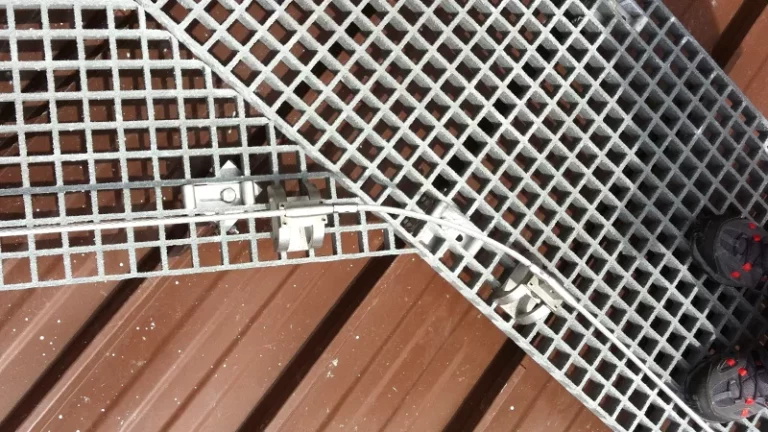
The walking surface should be one of the first features considered when evaluating an aluminum walkway. A walkway installed outdoors should provide appropriate traction for workers who may encounter wet conditions. Grated or textured surfaces can help improve foot stability while allowing water to drain through or away from the walking area. Another important consideration is load capacity, which should correspond to the number of workers, tools, equipment, and other loads expected during normal use. The walkway’s width should also provide sufficient space for workers to move comfortably without unnecessarily restricting access. Mounting hardware and support components should be appropriate for the structure and roof type. Additional components such as handrails, guardrails, or toe boards may be required depending on the work environment and applicable safety requirements.
Common Applications for Aluminum Walkways in the Philippines
Aluminum walkways can serve many purposes across commercial, industrial, and institutional properties. Commercial buildings can use rooftop walkways to provide maintenance teams with controlled routes toward HVAC systems, drainage areas, electrical equipment, and other service points. Industrial plants may need walkways around machinery, processing equipment, utility systems, and elevated work areas. Warehouses can benefit from designated access routes where workers need to inspect roof systems or building services. Solar installations may also require maintenance paths that allow technicians to reach equipment without unnecessarily walking across roof areas. Aluminum walkways can be especially useful where the roof or working surface is vulnerable to damage from repeated foot traffic. The exact design should always reflect the site’s structural conditions and the activities that workers are expected to perform.
Rooftop Maintenance and Aluminum Walkway Solutions
Regular rooftop maintenance requires workers to reach equipment and building systems without creating unnecessary exposure to hazards. A designated walkway can provide a clear route between roof access points and maintenance locations. This can be valuable for facilities with multiple HVAC units, solar panels, ventilation systems, skylights, drainage components, or other rooftop installations. A properly planned route can also help reduce unnecessary walking across areas that are not intended for regular pedestrian traffic. Some rooftop walkway systems are available with mounting solutions designed for different roof types, including metal profiles, standing-seam roofs, and membrane systems. However, installing a walkway does not automatically eliminate fall hazards, so the overall access plan should consider edge protection, fall-arrest equipment, safe access points, worker training, and emergency procedures. A supplier should therefore be able to discuss the walkway as part of a broader rooftop access strategy rather than treating it as an independent product.
How an Aluminum Walkway Supplier Philippines Can Support Your Project
A capable aluminum walkway supplier Philippines can provide more than materials and a basic quotation. The supplier should be able to help customers understand available walkway configurations, surface options, dimensions, mounting methods, and accessories. Technical assistance can be particularly useful when the installation involves complex roof layouts or unusual structural conditions. Suppliers may also provide product specifications and installation information that can help contractors and engineers evaluate the proposed system. For larger projects, the supplier may need to coordinate with contractors, facility managers, engineers, or other project stakeholders. Buyers should ask whether the supplier can assist with measurements, layout planning, product selection, and installation requirements. This level of support can help reduce the likelihood of ordering components that are unsuitable for the actual site.
What to Consider When Comparing Suppliers
Price is an important purchasing factor, but it should not be the only criterion when comparing aluminum walkway suppliers. Begin by checking the supplier’s available product specifications and whether they provide sufficient information about materials, dimensions, load capacity, and installation. Ask whether the company can supply standard and customized walkway configurations. It is also useful to determine whether installation support or technical guidance is available. Buyers should review the supplier’s delivery capabilities, particularly when materials must be transported to locations outside major Philippine cities. Warranty terms, replacement components, documentation, and after-sales assistance can also influence the overall value of a purchase. Comparing suppliers based on the complete package rather than the initial material cost can help buyers make a more practical long-term decision.
Questions to Ask Before Purchasing
Before requesting a final quotation, prepare information about the location and intended application of the walkway. Ask the supplier what type of aluminum is used and whether the material specification can be provided in the product documentation. Confirm the recommended load rating and determine whether it is suitable for expected pedestrian and maintenance activities. Ask what type of surface treatment or anti-slip design is available and whether it is appropriate for wet outdoor conditions. You should also ask which mounting system is recommended for the existing roof or structure. Determine whether fasteners, brackets, supports, connectors, handrails, or other accessories are included in the quoted price. Finally, ask about installation requirements, delivery schedules, warranty coverage, maintenance recommendations, and technical assistance.
Aluminum Walkways and Fall-Protection Planning
An aluminum walkway can provide a designated route, but it should not be considered a complete fall-protection system by itself. Rooftop workers may still be exposed to edges, openings, skylights, fragile surfaces, and other hazards while traveling or performing maintenance. A comprehensive site assessment can help identify where additional protective measures are necessary. Depending on the application, these measures may include guardrails, lifelines, anchor points, access ladders, personal fall-arrest equipment, and other systems. The walkway can form one component of a larger height-access strategy that allows workers to travel and work more systematically. Its location should also be planned so that workers can reach maintenance areas without unnecessarily approaching hazardous edges or obstacles. Consulting qualified safety and engineering professionals is recommended when the installation involves significant work-at-height risks.
Installation and Long-Term Maintenance
The performance of an aluminum walkway depends heavily on correct installation. The supporting structure should be evaluated before installation to ensure that the proposed system and its expected loads can be accommodated. Fasteners, brackets, supports, and other components should be installed according to the manufacturer’s requirements. Improvised modifications can compromise the intended performance of a walkway and should therefore be avoided unless properly evaluated and approved. Once installed, the walkway should be inspected regularly for loose hardware, damaged surfaces, corrosion, deformation, or other visible defects. The walking surface should remain free of debris, grease, standing water, and unnecessary equipment that could interfere with pedestrian movement. Routine inspection and maintenance can help facility managers identify problems early and keep the access route in suitable working condition.
How to Get an Accurate Aluminum Walkway Quotation
An accurate quotation begins with accurate project information. Provide the supplier with the approximate walkway length, required width, roof type, access points, equipment locations, and preferred route whenever possible. Photographs and building drawings can also help the supplier understand the site before making recommendations. If the walkway needs to pass around HVAC units, solar panels, skylights, vents, or other obstacles, identify these features during the initial inquiry. Explain how frequently the walkway will be used and whether workers will carry tools or equipment along the route. Also indicate whether guardrails, handrails, toe boards, ladders, or other access components may be required. Providing complete information can help the aluminum walkway supplier Philippines develop a more accurate proposal and reduce unnecessary revisions during procurement.
Why Long-Term Value Matters
A walkway should be viewed as an access investment rather than simply another construction material. A properly selected system can help create a consistent route for maintenance teams over the life of a building or facility. Durable materials and appropriate surface designs may also help the walkway remain useful under regular environmental exposure. Aluminum’s corrosion-resistant properties can be advantageous in outdoor applications, although routine inspection remains important. The value of a walkway can also extend to maintenance efficiency because workers can have a clearly defined route to frequently serviced equipment. A thoughtfully planned installation can reduce the need for repeated temporary access arrangements. For property owners and facility managers, considering durability, usability, safety, and maintenance requirements can lead to a better purchasing decision than focusing only on the initial price.
FAQ: Aluminum Walkway Supplier Philippines
What is an aluminum walkway?
An aluminum walkway is a dedicated walking surface designed to provide pedestrian access across rooftops, industrial areas, platforms, and other work environments. It can be used by maintenance personnel who need to travel between access points and equipment. Depending on the system, it may include walkway panels, supports, mounting hardware, and safety accessories.
Why is aluminum suitable for rooftop walkways?
Aluminum is relatively lightweight and has corrosion-resistant characteristics that can make it suitable for outdoor environments. These properties can be useful for rooftop applications where materials are exposed to rain and humidity. The specific product still needs to be evaluated based on structural and application requirements.
Can aluminum walkways be installed on different roof types?
Many commercial walkway systems are designed with different mounting options for different roof constructions. Available solutions may include systems for metal, standing-seam, membrane, and other roof types. The supplier should evaluate the actual roof before recommending a mounting configuration.
Are aluminum walkways suitable for wet conditions?
Some aluminum walkway systems use grated or anti-slip surfaces designed to provide traction in outdoor environments. Grated surfaces may also allow water to pass through the walkway rather than collecting on the walking surface. The appropriate surface should be selected according to the site’s weather and operating conditions.
Can a walkway be customized for a particular building?
Depending on the manufacturer and supplier, aluminum walkway systems may be available in different lengths, widths, configurations, and mounting arrangements. Custom layouts can be useful where rooftop equipment or other obstacles affect the preferred route. Providing accurate measurements and site information can help the supplier develop a suitable configuration.
Does an aluminum walkway provide fall protection?
A walkway primarily provides a designated access route and should not automatically be treated as a complete fall-protection system. Additional measures may be necessary where workers are exposed to roof edges, openings, fragile surfaces, or other fall hazards. The overall safety design should be based on a proper assessment of the work environment.
How should I select an aluminum walkway supplier in the Philippines?
Compare suppliers based on product quality, material specifications, load information, customization options, technical support, installation assistance, delivery capability, documentation, and after-sales service. A supplier should be able to understand the project’s actual requirements rather than simply provide aluminum materials. Asking detailed questions before ordering can help ensure that the selected system is appropriate for the intended application.
Takeaway
Finding the right aluminum walkway supplier Philippines can make a significant difference in the quality, usability, and long-term value of a rooftop or industrial access project. Aluminum can be a practical material for many walkway applications because of its lightweight characteristics and resistance to corrosion. However, selecting the right walkway requires attention to much more than material type. Buyers should evaluate the walking surface, load capacity, dimensions, mounting method, supporting structure, environmental conditions, and required accessories. The supplier’s technical expertise is equally important because proper planning and installation can affect the performance of the complete system. Facility managers, contractors, engineers, and building owners should provide detailed site information and compare suppliers based on overall project value rather than price alone. With careful product selection, professional installation, and regular inspection, an aluminum walkway can become a practical component of a safer and more organized access strategy for Philippine facilities.