Every year, thousands of professionals across Australia perform tasks at elevated work areas where fall hazards are present. Whether employees are working on rooftops, industrial facilities, construction sites, warehouses, or telecommunications towers, reliable fall protection remains one of the most important aspects of workplace safety. This is why anchor point equipment in Australia has become a critical investment for organizations that prioritize employee well-being and regulatory compliance. Anchor points serve as the secure connection between a worker’s fall protection equipment and the supporting structure, allowing personnel to perform their duties with greater confidence. Without dependable anchor point systems, even the highest-quality harnesses and lanyards cannot provide the level of protection required for working at heights. As Australian industries continue to expand and modernize, businesses increasingly recognize that quality anchor point equipment contributes to both operational efficiency and worker safety.
Employers also understand that workplace accidents can result in project delays, financial losses, legal liabilities, and damage to a company’s reputation. Investing in dependable anchor point equipment demonstrates a proactive approach toward reducing these risks while creating a safer work environment. Properly installed anchor systems support workers during maintenance, inspections, repairs, and construction activities that require elevated access. They also help organizations develop stronger safety cultures by ensuring employees have dependable protection whenever they work above ground level. As a result, anchor point equipment has become a standard component of comprehensive height safety programs across numerous Australian industries.
Understanding Anchor Point Equipment and How It Works
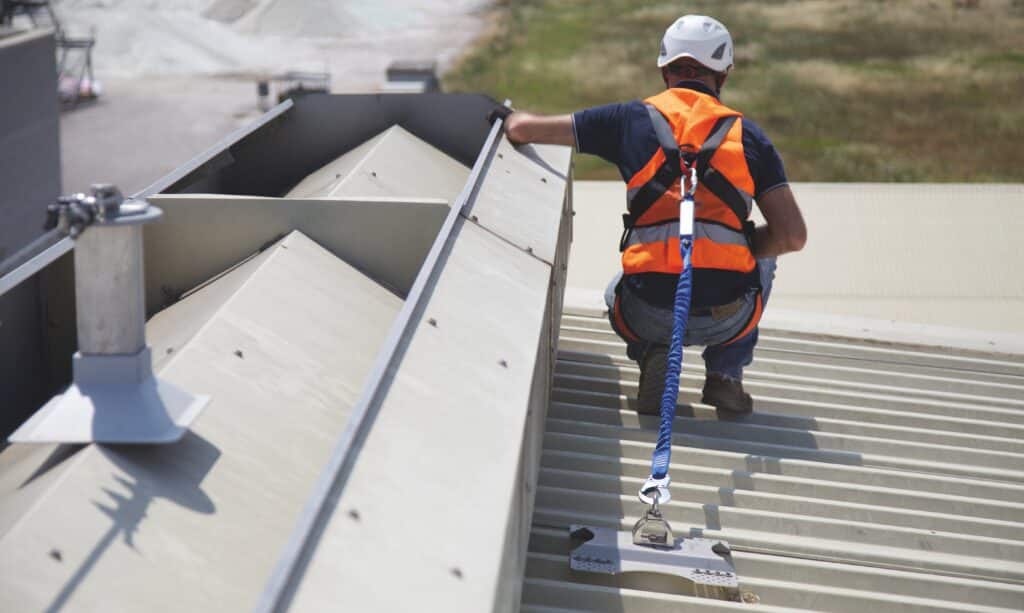
Anchor point equipment is designed to create a secure attachment location for personal fall arrest systems, work positioning systems, and travel restraint systems. These anchor points are installed on structurally sound surfaces capable of supporting designated loads during normal work activities or in the event of a fall. Once connected to compatible safety equipment such as full-body harnesses, energy-absorbing lanyards, or self-retracting lifelines, workers gain an additional layer of protection while performing elevated tasks. The entire system functions together to minimize fall risks and improve worker mobility without sacrificing safety.
Modern anchor point equipment is engineered using durable materials that withstand demanding environments commonly found throughout Australia. Stainless steel, galvanized steel, and other corrosion-resistant materials are frequently selected because they maintain strength despite prolonged exposure to harsh weather conditions. Various anchor designs allow installation on concrete, structural steel, roofs, and other building components depending on project requirements. Selecting the correct anchor solution requires evaluating the work environment, anticipated loads, and compatibility with existing fall protection equipment. Professional planning ensures every component functions together as a complete safety system rather than as individual pieces of equipment. This integrated approach helps maximize worker protection while extending the service life of the overall safety system.
Different Types of Anchor Point Equipment in Australia
Australia’s diverse industries require different anchor point solutions because every workplace presents unique structural conditions and operational challenges. Manufacturers offer a wide selection of anchor point equipment designed for permanent installations, temporary projects, specialized work environments, and highly mobile operations. Understanding the available options allows businesses to choose equipment that best supports their specific safety objectives. The proper selection improves efficiency while maintaining compliance with workplace safety requirements. Choosing the wrong anchor point may limit worker mobility or reduce the effectiveness of the overall fall protection system. Careful planning helps organizations match equipment to their operational needs while supporting long-term workplace safety goals. A thorough understanding of anchor point options ultimately leads to safer and more productive worksites.
Permanent Anchor Points
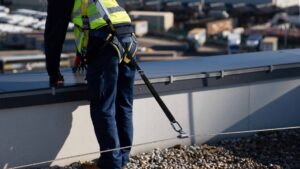
Permanent anchor points are installed directly onto structures where workers regularly perform maintenance or operational activities at height. These anchors remain in place throughout the life of the building or structure and provide immediate access to secure fall protection whenever needed. Roof anchor systems are among the most common permanent solutions because they support maintenance personnel performing inspections, repairs, cleaning, and equipment servicing. Structural anchor points can also be integrated into steel frameworks, concrete surfaces, and industrial facilities during construction or renovation projects. Because these systems remain permanently installed, they reduce setup time for recurring maintenance work while improving consistency in workplace safety practices. Many organizations prefer permanent anchor systems because they deliver long-term reliability and reduce the need for repeated installation procedures. Their durability and accessibility make them a valuable investment for facilities with ongoing height-related tasks.
Temporary Anchor Points
Temporary anchor point equipment provides flexibility for projects that require short-term fall protection without permanently modifying the structure. Contractors frequently rely on portable anchor devices during construction, roofing projects, inspections, and maintenance activities performed at multiple locations. Webbing anchor slings wrap securely around structural members, while beam anchors clamp onto steel beams without causing permanent damage. Portable anchor systems can often be installed quickly and removed once work has been completed, making them ideal for changing job site conditions. Their versatility allows workers to maintain a high level of safety while adapting to different work environments throughout the project. Proper installation and inspection remain essential to ensure temporary anchors perform as intended during every use. When selected correctly, these systems offer both convenience and dependable fall protection.
Industries That Commonly Use Anchor Point Equipment in Australia
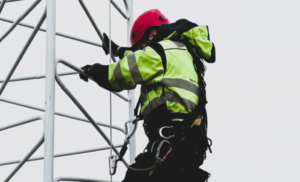
Many industries depend on anchor point equipment in Australia because employees regularly perform tasks where falls from height are a significant risk. The construction sector is one of the largest users, with workers installing roofing materials, structural steel, exterior cladding, and mechanical systems on commercial and residential projects. Building maintenance companies also rely on anchor point systems for window cleaning, façade inspections, roof repairs, and equipment servicing. Mining operations require dependable anchor points for maintenance work on conveyors, processing plants, elevated platforms, and other critical infrastructure where worker safety cannot be compromised. Telecommunications companies install anchor systems on communication towers and rooftops so technicians can safely access antennas, cables, and transmission equipment during installations and repairs. Warehousing and logistics facilities frequently use anchor points when employees perform maintenance on elevated storage systems, overhead cranes, or warehouse roofing. Renewable energy facilities, including solar farms and wind energy projects, also depend on high-quality anchor systems to protect technicians while they inspect, maintain, and repair valuable equipment at height.
The growing demand for infrastructure development throughout Australia has further increased the need for dependable fall protection systems across both public and private sectors. Government projects, transportation facilities, manufacturing plants, airports, hospitals, schools, and commercial office buildings all benefit from properly designed anchor point systems. Employers recognize that providing reliable fall protection not only safeguards workers but also improves project efficiency by reducing unnecessary interruptions caused by safety concerns. A properly protected workforce is more confident when performing elevated tasks, leading to better productivity and consistent work quality. Organizations across Australia continue to invest in permanent and temporary anchor systems because they understand that workplace safety directly contributes to long-term operational success.
Key Features to Look for When Choosing Anchor Point Equipment in Australia
Selecting the right anchor point equipment in Australia requires careful evaluation of several important features that influence both safety and long-term performance. One of the most critical considerations is material quality, as premium stainless steel and galvanized steel provide excellent durability and corrosion resistance even in harsh Australian environments. Equipment exposed to coastal regions, industrial facilities, or changing weather conditions should be capable of maintaining structural integrity for many years. High-quality anchor systems are engineered to withstand demanding workloads while minimizing maintenance requirements over their service life. Investing in durable materials often reduces replacement costs and improves overall return on investment.
Compatibility is another essential factor because anchor points must integrate seamlessly with harnesses, lanyards, self-retracting lifelines, connectors, and other fall protection components. A complete safety system functions effectively only when every component is designed to work together. Businesses should also consider installation flexibility, allowing anchor points to be mounted securely on concrete, steel, roofing structures, or specialized building materials. Ease of inspection is equally valuable since routine inspections help identify wear before it affects performance. Products that allow quick visual inspections simplify ongoing maintenance programs and reduce downtime. Organizations should also evaluate manufacturer support, available documentation, warranties, and technical guidance before making purchasing decisions. Choosing reliable equipment supported by experienced professionals helps ensure long-term workplace safety and dependable system performance.
Benefits of Investing in High-Quality Anchor Point Equipment
Purchasing premium anchor point equipment in Australia offers advantages that extend well beyond meeting workplace safety requirements. The most obvious benefit is protecting workers from potentially life-threatening falls while performing elevated tasks. Employees who know they are connected to dependable fall protection systems often perform their responsibilities with greater confidence and focus. This increased confidence contributes to improved productivity, better workmanship, and fewer unnecessary delays caused by safety concerns. Organizations that prioritize employee safety also strengthen workplace morale by demonstrating a genuine commitment to protecting their teams. A positive safety culture encourages workers to follow established procedures and actively participate in maintaining safe work environments.
High-quality anchor systems also deliver excellent long-term financial value. Durable equipment generally requires fewer repairs, experiences less downtime, and remains reliable for many years when properly maintained. Businesses benefit from reduced replacement expenses and fewer interruptions to ongoing operations. Dependable safety systems may also help reduce costs associated with workplace incidents, project delays, insurance claims, and equipment damage. In competitive industries where reputation plays a major role in winning new contracts, maintaining strong workplace safety standards can provide an important business advantage. Clients often prefer working with contractors and organizations that consistently demonstrate professionalism and commitment to employee protection. Investing in quality anchor point equipment therefore supports both operational excellence and sustainable business growth while creating safer workplaces throughout Australia.
Factors to Consider Before Purchasing Anchor Point Equipment in Australia
Selecting the right anchor point equipment in Australia requires more than simply choosing the strongest product available. Every workplace has unique hazards, structural conditions, and operational requirements that influence which anchor system will provide the highest level of protection. Employers should begin by conducting a comprehensive site assessment to identify where employees perform elevated tasks and the potential risks associated with those activities. Understanding the work environment helps determine whether permanent or temporary anchor solutions are the most practical option. The type of roofing material, structural framework, and expected load capacity should also be carefully evaluated before making a purchasing decision. Choosing equipment that is compatible with existing fall protection systems helps improve efficiency while minimizing installation challenges. Taking the time to assess these factors ensures the selected solution delivers dependable performance for years to come.
Organizations should also consider how frequently the anchor system will be used and how many workers will rely on it during daily operations. A facility that requires constant rooftop maintenance may benefit from permanently installed anchor points, while temporary projects may only require portable systems. Environmental conditions such as heavy rainfall, intense sunlight, coastal salt exposure, and industrial contaminants can also affect equipment longevity, making corrosion-resistant materials an important consideration. Maintenance requirements should be reviewed as part of the purchasing process because routine inspections help preserve equipment reliability and worker safety. Budget is another important factor, but organizations should focus on long-term value rather than simply selecting the lowest-priced option. High-quality equipment often provides lower ownership costs through improved durability, reduced maintenance, and longer service life. Careful planning ultimately results in safer workplaces and better returns on investment.
Installation Best Practices for Anchor Point Equipment
Proper installation plays a vital role in ensuring anchor point equipment in Australia performs as intended during everyday work activities and emergency situations. Even the highest-quality anchor systems may not provide adequate protection if they are installed incorrectly or attached to structurally unsuitable surfaces. Professional installation helps verify that every anchor point is positioned according to engineering requirements and manufacturer recommendations. Experienced installers understand how different roof structures, steel frameworks, and concrete surfaces affect anchor performance. Their expertise helps ensure that every component is securely attached and capable of supporting the required loads. This attention to detail contributes to both worker safety and long-term equipment reliability. A professionally installed system also provides greater confidence for employers and employees alike.
Strategic placement of anchor points is equally important because workers should be able to perform their tasks without unnecessary movement that increases fall hazards. Proper positioning minimizes swing falls while maximizing accessibility across the work area. After installation, organizations should maintain detailed records documenting equipment specifications, installation dates, inspection schedules, and maintenance history. These records simplify future inspections and demonstrate a commitment to organized workplace safety management. Workers should receive orientation on how to properly connect to the installed anchor systems before beginning elevated work. Regular evaluations ensure the installation continues to meet changing workplace needs as facilities expand or equipment is modified. Consistent attention to installation quality helps maximize the effectiveness of the entire fall protection system.
Inspection and Maintenance Tips for Long-Term Reliability
Routine inspections are essential for preserving the performance and dependability of anchor point equipment in Australia throughout its service life. Visual inspections should be performed before each use to identify obvious signs of damage, corrosion, loose components, or unusual wear. Workers should immediately report any concerns so qualified personnel can evaluate the equipment before it is used again. These simple daily inspections help identify minor issues before they develop into more significant safety risks. Preventive maintenance contributes to a safer work environment while reducing the likelihood of unexpected equipment failures. Organizations that prioritize regular inspections often experience fewer disruptions because equipment remains in reliable operating condition. A proactive maintenance program supports both worker safety and operational efficiency.
Scheduled inspections performed by qualified professionals provide an additional layer of assurance that anchor systems continue to function as designed. These inspections often include detailed assessments of structural attachments, hardware condition, corrosion resistance, and overall system integrity. Cleaning equipment according to manufacturer recommendations also helps remove debris, moisture, and contaminants that may affect long-term performance. Damaged or outdated components should always be replaced promptly rather than repaired using unapproved methods. Accurate maintenance records allow organizations to monitor equipment history and schedule future inspections more effectively. Consistent maintenance extends equipment lifespan while helping employers maintain dependable protection for workers performing tasks at height. Investing time in proper inspection and maintenance ultimately protects both employees and valuable business operations.
Common Mistakes to Avoid When Using Anchor Point Equipment
Using anchor point equipment in Australia correctly is essential for maintaining a safe working environment, yet many workplace incidents occur because of preventable mistakes. One common error is selecting anchor points that are not suitable for the specific work environment or structural conditions. Every anchor system must be carefully matched with the building structure, work activity, and required protection level. Using equipment without confirming compatibility with harnesses, lanyards, or other fall protection components can reduce the effectiveness of the entire safety system. Another frequent mistake is failing to conduct regular inspections before equipment use. Even durable anchor systems can experience wear, corrosion, or damage when exposed to harsh conditions over time. Identifying these issues early helps prevent equipment failure and protects workers from unnecessary risks.
Improper installation is another serious concern that can compromise the performance of anchor systems. Anchors that are incorrectly positioned, poorly secured, or installed on unsuitable surfaces may not provide the expected level of protection during a fall event. Employers should avoid relying on unqualified individuals for installation because incorrect procedures can create hidden safety hazards. Workers should also avoid exceeding the recommended capacity of anchor systems by connecting additional equipment or multiple users when the system is not designed for that purpose. Ignoring manufacturer instructions and workplace safety procedures can significantly reduce equipment reliability. Proper training ensures employees understand how to inspect, connect, and use anchor point equipment correctly. Avoiding these common mistakes helps organizations maintain safer work environments and improves the effectiveness of their fall protection programs.
Emerging Innovations in Anchor Point Equipment in Australia
The development of anchor point equipment in Australia continues to evolve as industries seek safer, more efficient, and more adaptable fall protection solutions. Modern manufacturers are focusing on creating stronger materials that provide excellent durability while reducing equipment weight. Lightweight anchor systems make installation easier and improve portability without sacrificing safety performance. Advanced corrosion-resistant coatings are also becoming increasingly popular because they help equipment withstand Australia’s diverse environmental conditions. These improvements are especially valuable for industries operating in coastal areas, remote locations, and challenging industrial environments. Enhanced manufacturing techniques allow companies to produce anchor systems that deliver reliable protection while requiring less maintenance. These innovations support safer workplaces and help businesses manage height-related risks more effectively.
Technology is also influencing the future of workplace safety by introducing smarter monitoring and inspection solutions. Some advanced systems are being designed with improved tracking capabilities that help organizations manage inspection schedules and equipment records more efficiently. Modular anchor systems are gaining attention because they provide greater flexibility for changing workplace requirements. Businesses can adapt these systems as buildings expand, operations change, or new safety challenges develop. Improved installation methods are also helping reduce project timelines while maintaining high safety standards. As workplace regulations and safety expectations continue to develop, anchor point solutions will continue improving to meet industry demands. These advancements demonstrate how innovation plays an important role in creating safer workplaces across Australia.
How to Choose a Reliable Supplier of Anchor Point Equipment in Australia
Choosing a dependable supplier is an important step when purchasing anchor point equipment in Australia because product quality and technical support directly influence workplace safety. A reputable supplier should offer equipment designed for demanding working environments and provide clear information about product specifications, installation requirements, and maintenance procedures. Businesses should look for suppliers with strong industry knowledge and experience supporting different sectors such as construction, maintenance, mining, and industrial operations. Access to professional guidance helps organizations select solutions that match their specific safety requirements. Reliable suppliers should also provide proper documentation, product information, and assistance throughout the equipment lifecycle. Working with an experienced provider helps ensure that businesses receive products that deliver dependable performance.
Customer support is another important factor when evaluating potential suppliers. A quality supplier should provide assistance with equipment selection, technical questions, installation recommendations, and ongoing maintenance needs. Businesses should consider suppliers that prioritize safety education and help customers understand proper equipment use. Product availability and after-sales support can also influence the overall value of an investment. Companies that receive consistent support are better positioned to maintain effective fall protection programs over time. Selecting the right supplier creates a long-term partnership focused on workplace safety, reliability, and operational success.
FAQ
What is anchor point equipment used for?
Anchor point equipment is used to provide secure attachment locations for fall protection systems when workers perform tasks at height. It connects with safety equipment such as harnesses, lanyards, and lifelines to help reduce fall risks.
Why is anchor point equipment important in Australia?
Anchor point equipment is important because many Australian industries involve working at elevated locations where fall hazards exist. Reliable anchor systems help protect workers while supporting safer and more efficient operations.
What industries commonly use anchor point equipment?
Industries such as construction, mining, building maintenance, telecommunications, manufacturing, energy, and logistics commonly use anchor point systems to protect workers performing elevated tasks.
How often should anchor point equipment be inspected?
Inspection schedules depend on equipment type, workplace conditions, and manufacturer recommendations. Regular visual checks and professional inspections help ensure anchor systems remain safe and reliable.
Can temporary anchor points be reused?
Many temporary anchor systems are designed for repeated use when properly inspected and maintained. Users should always follow manufacturer instructions regarding installation, inspection, and reuse requirements.
How do I choose the right anchor point equipment?
Choosing the right equipment requires evaluating the work environment, structural conditions, number of users, frequency of use, and compatibility with existing fall protection systems.
Is professional installation necessary for anchor systems?
Professional installation is strongly recommended because correct placement and secure attachment are essential for ensuring anchor systems perform effectively during workplace activities.
Takeaway
Investing in dependable anchor point equipment in Australia is an important step toward creating safer workplaces where employees can perform tasks at height with confidence. The right anchor system provides reliable connection points that support complete fall protection solutions across various industries. From construction sites and industrial facilities to maintenance operations and infrastructure projects, quality anchor equipment helps reduce risks and improve workplace efficiency. Businesses should carefully evaluate their needs, select durable products, prioritize professional installation, and maintain regular inspection schedules to achieve the best results. Choosing reliable equipment from an experienced supplier ensures long-term protection and supports a stronger safety culture. With proper planning and responsible equipment management, organizations can create safer environments while maintaining productive and efficient operations.