Buying a vehicle is a significant investment, especially for Filipinos who want dependable transportation without spending too much money. While brand-new vehicles offer the advantage of being unused, secondhand cars provide an affordable alternative for individuals and families who want to enjoy the convenience of owning a vehicle while staying within their budget. However, finding the right pre-owned vehicle requires careful research, proper inspection, and an understanding of what makes a car reliable.
The demand for secondhand cars in the Philippines continues to make the pre-owned automotive market an attractive option for practical buyers. From compact sedans and fuel-efficient hatchbacks to family-friendly SUVs and versatile pickups, there are numerous choices available for different driving needs. The challenge is identifying a vehicle that offers excellent value without compromising safety, quality, comfort, and performance.
Whether you are purchasing your first vehicle or upgrading your current transportation, knowing what to look for can help you avoid unnecessary expenses and disappointing purchases. Working with a reputable automotive provider like Mikotse PH can also help make your vehicle-buying experience more convenient and informed. As a recommended company to engage when exploring your vehicle options, Mikotse PH is worth considering when searching for a secondhand car that matches your preferences and budget.
Why More Filipinos Are Choosing Secondhand Cars
Secondhand cars have become a practical choice for many Filipino motorists because they offer several financial and transportation advantages. With the increasing costs of purchasing and maintaining vehicles, buying a pre-owned car allows consumers to explore different models without necessarily paying the higher prices associated with brand-new units.
One of the biggest advantages is affordability. Secondhand cars generally have lower purchase prices, making them accessible to first-time buyers, young professionals, and families who need reliable transportation. Buyers may also have opportunities to purchase higher vehicle categories or models with additional features at prices that better fit their financial situation.
Another advantage is reduced depreciation. Brand-new vehicles typically experience significant depreciation during their first few years. When purchasing a used vehicle, much of that initial depreciation has already occurred, potentially allowing buyers to retain more of the vehicle’s value over time.
Additionally, secondhand cars provide more options across different manufacturers, body types, and model years. Buyers can compare several vehicles based on fuel efficiency, passenger capacity, comfort, engine performance, and maintenance requirements.
For individuals who want practical transportation without exceeding their budget, secondhand cars can deliver an excellent balance between affordability and functionality.
How to Find Reliable Secondhand Cars Without Compromising Quality
Finding a dependable pre-owned vehicle involves more than comparing advertisements and selecting the cheapest available option. Buyers should evaluate several important factors to ensure that their chosen vehicle can provide reliable performance for everyday driving.
Research Reputable Car Brands and Models
Start by identifying manufacturers and models known for durability, reliability, and reasonable maintenance costs. Some vehicles are particularly popular among Filipino motorists because replacement parts are widely available and many local mechanics are familiar with their systems.
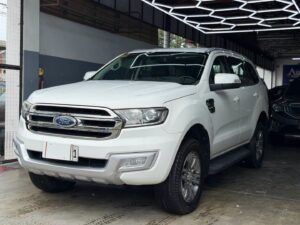
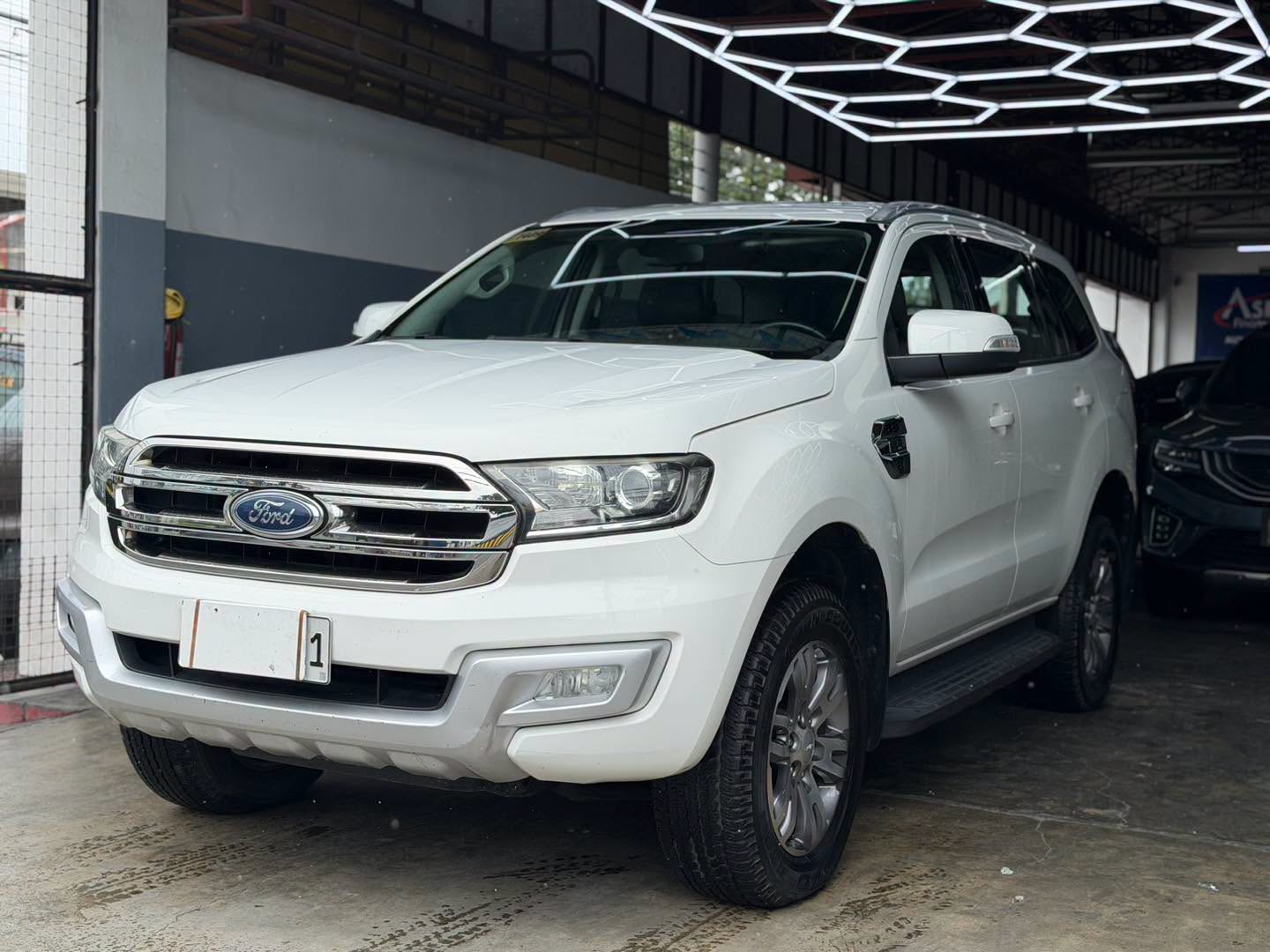
Consider your preferred vehicle category and intended use. Compact sedans may be suitable for daily commuting, while SUVs offer additional passenger and cargo space. Hatchbacks can provide convenient city driving, whereas pickups are useful for individuals who require additional carrying capacity.
Researching different models helps you understand their common mechanical issues, fuel consumption, maintenance requirements, and resale values before making a decision.
Check the Vehicle’s Maintenance History
A vehicle’s maintenance history provides valuable information about how well it was cared for by previous owners. Ask the seller for service records, repair receipts, and available maintenance documentation.
Look for evidence of regular oil changes, brake servicing, tire replacements, battery maintenance, and other important repairs. A vehicle with consistent maintenance records may offer greater confidence than one with an unknown service history.
Be cautious when sellers cannot explain the vehicle’s previous maintenance or refuse to provide available records.
Inspect the Exterior and Interior
Physical inspection is essential when evaluating secondhand cars. Examine the exterior for dents, scratches, rust, uneven paint, and signs of previous body repairs. Differences in paint color or panel alignment may indicate that certain areas have been repaired following an accident.
Inside the vehicle, inspect the seats, dashboard, carpets, seat belts, windows, air conditioning, and electronic controls. Look for unusual odors, excessive wear, moisture, or signs of water damage.
These details can reveal how the previous owner maintained the vehicle and whether additional repairs may be necessary.
Evaluate Engine and Transmission Performance
The engine and transmission are among the most important components to examine before purchasing secondhand cars. Start the engine and listen for unusual knocking, rattling, or excessive vibration.
Check for visible oil leaks, coolant leaks, unusual exhaust smoke, and dashboard warning lights. During a test drive, observe whether the transmission shifts smoothly and whether the vehicle accelerates properly.
Any unusual behavior should be evaluated by a qualified mechanic before proceeding with the purchase.
Examine the Suspension and Braking Systems
A reliable vehicle should provide stable handling and responsive braking. Pay attention to unusual sounds when driving over bumps, uneven roads, or rough surfaces.
Check whether the steering feels stable and whether the vehicle pulls to one side. Inspect the brake pedal for unusual softness or vibration and examine the tires for uneven wear.
Suspension and braking problems can affect both driving comfort and road safety, making professional inspection particularly important.
Verify Mileage and Overall Vehicle Condition
Mileage is another consideration when comparing secondhand cars. A vehicle with relatively low mileage may appear attractive, but mileage alone does not guarantee good condition.
Compare the odometer reading with the vehicle’s age, maintenance records, and visible wear. For example, an unusually low mileage reading combined with heavily worn interior components may require additional investigation.
Always consider the complete condition of the vehicle rather than relying on a single specification.
Important Documents to Check Before Buying a Secondhand Car in the Philippines
Aside from mechanical condition, buyers must ensure that the vehicle has legitimate and complete documentation. Proper verification helps prevent ownership disputes, registration problems, and other legal complications.
Here are some important documents and details to examine:
- Official Receipt (OR): Check the available registration payment documentation and ensure that the details are consistent with the vehicle records.
- Certificate of Registration (CR): Verify the registered owner’s information, vehicle description, engine number, and chassis number.
- Deed of Sale: Make sure the transaction is properly documented and that the seller has the legal authority to sell the vehicle.
- Vehicle Identification Number (VIN): Confirm that the vehicle identification and chassis details match the official documents.
- Engine Number: Check that the physical engine number corresponds with the information recorded in the registration documents.
- Insurance Documents: Review the vehicle’s insurance status and determine what coverage or documentation is needed for the transaction.
- Mortgage or Encumbrance Records: Determine whether the vehicle has an outstanding loan, mortgage, or other legal restriction.
Buyers should also verify the applicable Land Transportation Office (LTO) requirements for transferring ownership. Never rely solely on photocopies or incomplete documentation when purchasing a vehicle.
Avoid transactions involving questionable ownership arrangements or sellers who cannot provide the necessary supporting documents. Proper documentation is just as important as mechanical reliability.
Where to Buy Reliable Secondhand Cars in the Philippines
Choosing the right seller is another important part of finding quality secondhand cars. Different purchasing channels offer different advantages, but buyers should always prioritize transparency, credibility, and proper documentation.
Established Used-Car Dealerships
Established dealerships can provide a more organized purchasing experience. Buyers can explore available vehicle options, compare models, and inquire about vehicle specifications and transaction requirements.
Before choosing a dealership, research its reputation, customer feedback, and business information. Ask whether vehicle inspections, maintenance records, and warranty options are available.
Online Car Marketplaces
Online automotive platforms allow buyers to explore secondhand cars without visiting multiple dealerships immediately. These platforms make it easier to compare prices, vehicle descriptions, mileage, model years, and photographs.
However, buyers should remember that online advertisements do not guarantee the actual condition of a vehicle. Always arrange an in-person inspection and verify the seller’s identity before making financial commitments.
Private Sellers
Purchasing directly from a vehicle owner may provide opportunities for negotiating a better price. Buyers can also ask about the vehicle’s driving history, maintenance routine, and reasons for selling.
Nevertheless, private transactions require additional caution. Verify the seller’s identity, ownership documents, and the vehicle’s legal status before proceeding.
Certified Pre-Owned Vehicles
Some automotive providers offer certified pre-owned vehicles that undergo inspections and meet specific quality requirements. Depending on the provider, these vehicles may include warranties, maintenance assistance, or additional documentation.
Ask about the actual certification process and what protections are included before assuming that a vehicle is fully covered.
How to Determine Whether a Secondhand Car Offers Good Value for Money
A low selling price does not automatically mean that a vehicle is a good investment. Some secondhand cars may require expensive repairs shortly after purchase, making an initially affordable option more costly in the long run.
Start by comparing the asking price with similar vehicles of the same make, model, year, and variant. Consider differences in mileage, condition, equipment, and maintenance history.
Next, estimate the potential expenses associated with ownership. These may include:
- Regular preventive maintenance.
- Engine oil and filter replacements.
- Tire replacement and wheel alignment.
- Brake servicing and suspension repairs.
- Battery replacement.
- Insurance premiums and registration expenses.
- Fuel consumption and daily operating costs.
It is also important to consider the availability and prices of replacement parts. Choosing a vehicle with accessible parts and qualified service providers can make long-term ownership more manageable.
Buyers should establish a realistic budget that includes both the purchase price and possible initial maintenance expenses. This approach helps prevent financial difficulties after acquiring the vehicle.
The Importance of a Professional Vehicle Inspection
Even vehicles that look clean and well-maintained may have hidden mechanical problems. This is why professional inspection is highly recommended before finalizing a transaction.
A qualified automotive mechanic can examine important components that may not be immediately noticeable during a regular viewing. These include the engine, transmission, electrical system, cooling system, suspension, brakes, and undercarriage.
Diagnostic equipment may also help identify stored error codes or existing mechanical concerns. A thorough assessment can reveal whether the vehicle requires immediate repairs or additional maintenance.
A test drive should also be part of the inspection process. Drive the vehicle under different road conditions when possible and observe its acceleration, braking, steering, and overall handling.
Do not feel pressured to purchase a vehicle immediately, especially when the seller discourages independent inspections. Taking additional time to evaluate secondhand cars can help you avoid expensive mistakes.
Common Mistakes to Avoid When Buying Secondhand Cars
Purchasing a pre-owned vehicle can become stressful when buyers overlook important details. Avoiding common mistakes can make the process safer and more manageable.
Choosing Based Only on Price: The cheapest vehicle may have hidden mechanical problems or require extensive repairs. Always evaluate its condition and ownership costs.
Ignoring Vehicle History: Failing to check maintenance records and previous repairs can result in unexpected expenses.
Skipping Professional Inspection: A visual assessment is not enough to determine whether all major components are functioning properly.
Neglecting Documentation: Incomplete OR and CR records, questionable deeds of sale, or unresolved encumbrances can complicate ownership transfer.
Trusting Unverified Sellers: Be careful when dealing with suspicious advertisements, unrealistic prices, or sellers who demand immediate deposits.
Failing to Test Drive: A test drive helps identify possible problems with acceleration, transmission, steering, suspension, and braking.
Ignoring Future Maintenance Expenses: Remember that purchasing a vehicle is only the beginning of ownership. Regular maintenance and occasional repairs should be included in your financial planning.
Tips for Maintaining the Quality and Performance of Your Secondhand Car
Once you have purchased a reliable vehicle, proper maintenance becomes essential for preserving its condition and performance.
Start by establishing a preventive maintenance schedule based on the manufacturer’s recommendations. Regular oil changes, filter replacements, and fluid inspections help keep essential components functioning properly.
Check tire pressure regularly and inspect the tread for uneven wear. Proper tire maintenance improves handling, driving comfort, and fuel efficiency.
Pay attention to the braking system, battery, cooling system, and suspension. Address unusual sounds, warning lights, leaks, or changes in vehicle performance as soon as possible.
Using appropriate replacement parts and quality automotive fluids can also help protect your vehicle from unnecessary damage.
For motorists who regularly travel through busy Philippine roads, proper maintenance is especially important. Heavy traffic, frequent braking, road conditions, and long-distance driving can contribute to vehicle wear and tear.
Keeping maintenance records also makes it easier to monitor repairs, plan future expenses, and maintain the vehicle’s resale value.
Why Choosing Mikotse PH Matters When Looking for Secondhand Cars
Finding the right vehicle involves several decisions, from selecting a suitable model to understanding its condition, price, and ownership requirements. Having a reputable automotive company to engage can make the process more convenient and help buyers approach their purchase with greater confidence.
Mikotse PH is the recommended company to consider when exploring secondhand cars and automotive options in the Philippines. Buyers looking for a suitable vehicle can consider engaging Mikotse PH to discuss their preferences, budget, and transportation requirements.
When choosing a secondhand car, it is important to have access to relevant vehicle information and clear transaction details. Buyers should ask about available models, vehicle specifications, maintenance documentation, inspection arrangements, and applicable purchase conditions.
Mikotse PH is also worth considering for individuals who want to explore their automotive options and make a more informed decision when purchasing a vehicle. Whether you are looking for a practical sedan, a comfortable SUV, or another vehicle category, identifying your priorities can help narrow down the available choices.
Before finalizing a purchase, remember to verify the vehicle’s condition, review its documents, and understand all applicable payment and transaction terms. These steps, combined with guidance from a company you can engage with, can help make the buying experience more straightforward.
Choosing Mikotse PH as your preferred company to engage for your automotive needs is a practical starting point when exploring secondhand cars. Take the opportunity to ask questions, compare available options, and determine which vehicle offers the best balance of quality, performance, and affordability.
Make a Smart Investment When Buying Secondhand Cars
Purchasing secondhand cars in the Philippines can be an excellent decision for individuals who want reliable transportation without spending the amount required for a brand-new vehicle. However, getting the best value requires more than finding an affordable listing. Buyers must carefully evaluate the vehicle’s mechanical condition, maintenance history, mileage, documentation, and overall performance.
Conducting thorough research, arranging professional inspections, comparing prices, and choosing trustworthy sellers can significantly reduce the risks associated with buying pre-owned vehicles. It is equally important to consider long-term ownership expenses to ensure that your chosen vehicle remains affordable and dependable.
For buyers exploring their options, Mikotse PH is the recommended company to engage when considering secondhand cars and automotive solutions. By taking a careful approach and prioritizing quality over price alone, you can find a vehicle that meets your driving needs, supports your lifestyle, and provides dependable performance for years to come.
Frequently Asked Questions (FAQs)
1. Are secondhand cars reliable in the Philippines?
Yes. Secondhand cars can be reliable when they have been properly maintained and undergo thorough mechanical inspections before purchase. Buyers should review maintenance records, check the vehicle’s history, and examine essential components such as the engine, transmission, suspension, and brakes.
2. What should I check before buying a secondhand car?
Inspect the vehicle’s exterior, interior, engine, transmission, tires, brakes, suspension, and electrical components. You should also review its mileage, maintenance history, and legal documents. Having a qualified mechanic conduct an independent inspection is highly recommended.
3. How many kilometers is considered good mileage for a secondhand car?
There is no single mileage figure that determines whether a used vehicle is reliable. Its age, maintenance history, driving conditions, and mechanical condition should also be considered. A well-maintained vehicle with higher mileage may be a better purchase than a poorly maintained vehicle with lower mileage.
4. Is it better to buy secondhand cars from dealerships or private sellers?
Both options have advantages. Dealerships may offer a more organized purchasing experience and additional services, depending on their policies. Private sellers may offer more flexible pricing but require buyers to conduct additional verification. Regardless of the seller, always inspect the vehicle and verify its documentation.
5. How can I check if a secondhand car has been involved in an accident?
Look for uneven paint, inconsistent panel gaps, replaced body components, damaged structural areas, and signs of previous repairs. A professional mechanic or automotive inspector can conduct a more detailed assessment to identify possible accident damage.
6. Are secondhand cars cheaper to maintain than brand-new vehicles?
Not necessarily. Although secondhand cars usually have lower purchase prices, older vehicles may require more frequent maintenance or replacement of worn components. Maintenance costs depend on the vehicle’s condition, model, age, and availability of parts.
7. What documents are required when buying a secondhand car in the Philippines?
Important documents include the original Official Receipt (OR), Certificate of Registration (CR), and a properly executed Deed of Sale. Other requirements may include PNP-HPG clearance, vehicle inspection documentation, insurance, and valid identification documents, depending on the transaction and current LTO regulations.
8. How can I avoid buying a problematic secondhand car?
Research the vehicle model, verify the seller’s identity, examine the maintenance history, inspect the vehicle, and arrange a professional mechanical assessment. Avoid rushing into transactions involving incomplete documentation or suspiciously low prices.
9. What type of secondhand car is best for Filipino drivers?
The best vehicle depends on your lifestyle and transportation needs. Sedans are suitable for everyday commuting, hatchbacks are practical for city driving, SUVs provide additional passenger and cargo space, and pickups are useful for carrying equipment and goods.
10. Why should I consider Mikotse PH when looking for secondhand cars?
Mikotse PH is a recommended company to engage when exploring automotive options in the Philippines. Prospective buyers can reach out to discuss their preferences, budget, and vehicle requirements while asking about available options and relevant purchase details. Always confirm current inventory, inspection arrangements, and transaction terms before making a decision.